A blunt chainsaw chain often produces fine sawdust, cuts slowly and needs extra pressure. A worn guide bar can cause crooked cuts, excessive chain movement and uneven wear. Regularly inspect both components, maintain correct chain tension and lubrication, and replace damaged parts promptly to protect cutting performance and safety.
When to Sharpen or Replace a Chainsaw Chain and Guide Bar
A chainsaw that struggles to cut, produces fine sawdust or consistently cuts at an angle is showing signs of a problem. However, working out whether the chain or guide bar is responsible is not always straightforward. Both components are essential to cutting performance, and wear to either can affect how your saw behaves.
Knowing how to recognise the warning signs of a chainsaw not cutting properly can help you identify problems early. It also helps you avoid replacing parts unnecessarily or continuing to use equipment that may no longer be safe.
In this practical chainsaw maintenance guide, we explain how to spot a blunt or worn chain, recognise a damaged guide bar and carry out basic inspections. We also explore why replacing worn components at the right time matters for performance and safety.
So, if your chainsaw is not cutting straight or you’re experiencing any other issues, please read on…
Understanding the Difference Between a Chainsaw Chain and Guide Bar
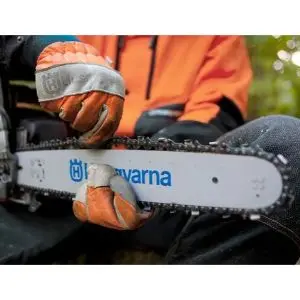 The chainsaw chain is the moving cutting component. It runs around the guide bar and contains a series of sharp teeth, known as cutters. These remove material from the wood as the chain moves at high speed.
The guide bar supports and directs the chain. It has a narrow groove around its edge, which houses the chain’s drive links and keeps everything running along the correct path. A sprocket at the nose of some guide bars helps the chain move smoothly around the end.
Although these components work together, they wear in different ways. A blunt chain struggles to cut efficiently, while a worn guide bar can affect chain movement, stability and cutting accuracy.
It’s also possible for both parts to suffer wear at the same time. This is why a proper inspection is important before deciding which component needs attention.
How to Tell When Your Chainsaw Chain Needs Sharpening
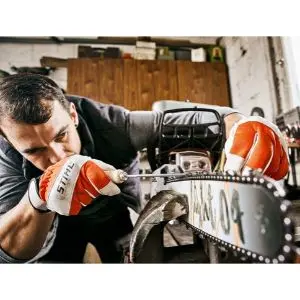 A sharp chain should cut cleanly without requiring much downward pressure. When the cutters become blunt, the difference is usually noticeable quite quickly.
One of the clearest signs is the type of material coming out of the cut. A sharp chain produces reasonably coarse wood chips. If your chainsaw starts producing fine, powdery sawdust instead, the cutters may have lost their edge.
You may also find that the saw takes longer to cut through timber. Rather than pulling itself into the wood, it may need extra pressure from the operator. This is often a sign that the chain needs sharpening.
Unevenly sharpened cutters can cause a rough cutting action and increased vibration. Heat and smoke can also indicate excessive friction, although poor lubrication or incorrect tension may be responsible.
If you notice these symptoms, inspect the cutting teeth. Rounded edges, chipped corners and visible damage can all indicate that the chain needs attention.
When Is Sharpening Enough?
Not every blunt chain needs replacing. Sharpening will often restore its cutting performance, provided the cutters remain within their permitted wear limits.
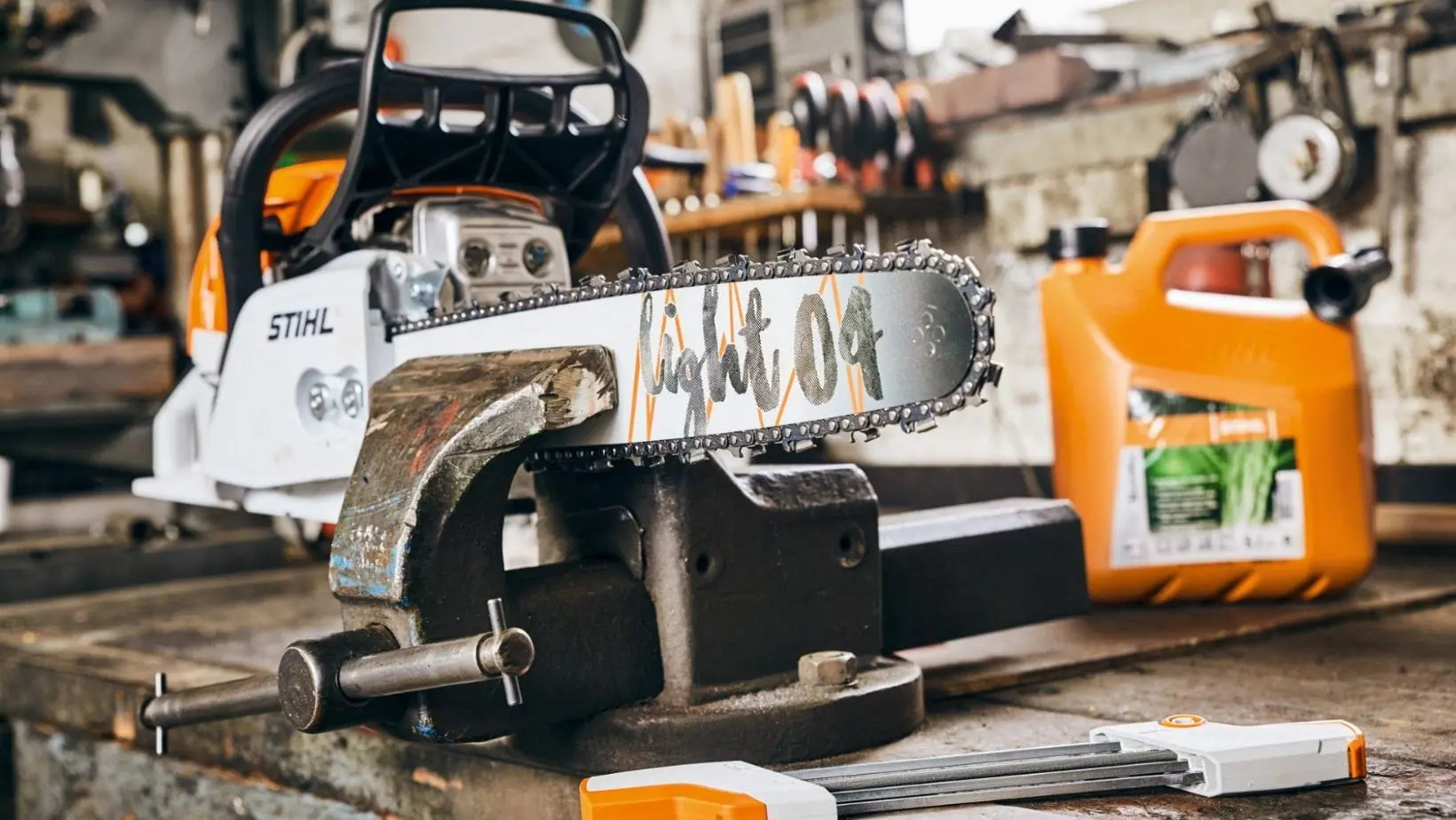
Using the correct round file and filing guide helps maintain the right cutting angle and keeps the cutters an even length. The depth gauges must also be checked, as these control how deeply each cutter enters the wood.
A suitable chainsaw filing kit can make routine sharpening easier. Your chainsaw handbook will provide guidance on the correct file size and sharpening angles.
When Should You Replace a Chainsaw Chain?
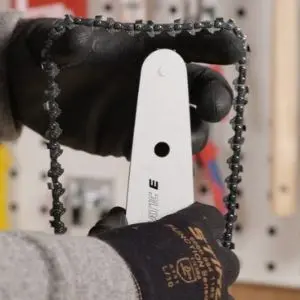 Sharpening can restore a blunt chain, but it cannot correct every type of wear or damage. Eventually, the cutters become too worn to sharpen safely, or other parts of the chain begin to deteriorate.
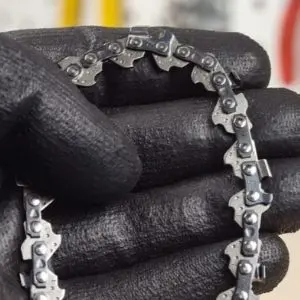
A common indication that a chainsaw chain is worn out is when the cutters reach their factory wear indicators. These markings show the minimum permitted sharpening limit. Once the teeth reach this point, the chain should be replaced.
You should also look for cracks, broken cutters and damaged connecting links. Pay attention to the rivets that hold the chain together. If they are loose, cracked or excessively worn, the chain may no longer be safe to use.
Some stretching occurs as a chain wears. However, if you regularly need to adjust the tension, inspect the drive links and rivets for excessive wear. Bent, damaged or badly worn drive links can prevent the chain from running smoothly.
Never continue using a chain with structural damage. Sharpening will not restore its strength, and replacement is the safest option.
How to Recognise a Worn or Damaged Guide Bar
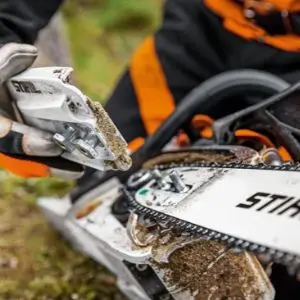 A guide bar gradually wears through normal use, even when the chain is maintained correctly. Some symptoms can resemble problems caused by a blunt or poorly sharpened chain.
One of the most common warning signs is that your chainsaw does not cut straight. If the saw consistently cuts to one side, uneven guide bar rails could be responsible.
The two rails along the guide bar groove should remain level with each other. If one becomes lower than the other, the chain may no longer sit squarely. This can result in the chainsaw cutting crookedly or producing an uneven finish.
Excessive side-to-side chain movement is another warning sign. If the groove becomes too wide through wear, the chain may move around more than it should and the chainsaw will not cut straight.
Inspect the guide bar rails for visible damage too. Small, raised edges, known as burrs, can develop through repeated contact with the chain. Minor burrs may be removed during routine servicing, but badly worn rails may need you to buy a new guide bar.
Deep scoring along the groove can also interfere with chain movement and increase friction.
Finally, check the nose sprocket, where fitted. It should rotate freely without obvious damage or excessive wear. A seized or damaged sprocket can prevent the chain from moving smoothly around the guide bar, resulting in the chain saw not cutting straight.
Why Does My Chainsaw Cut Crooked?
 When a chainsaw cuts to the right or left, this can be frustrating, particularly when you’re unsure what is causing the problem. Several faults can produce similar symptoms.
If your chain saw cuts to the left or right, start by checking the chain. Uneven sharpening is a frequent cause when the chainsaw cuts to one side.
Each cutter has a specific cutting angle and length. If the teeth on one side are sharper, longer or filed at a different angle, they may remove more wood than those on the other side. Therefore, the chainsaw pulls to one side.
A worn or uneven guide bar can produce similar results. If one rail is lower than the other, the chain may not travel squarely through the wood, so the chainsaw cuts in a curve.
This explains why fitting a new chain does not always solve the problem when a chainsaw cuts curved. If your chainsaw cuts crooked with a new chain, inspect the guide bar carefully. Also check that the replacement chain is the correct specification and has been sharpened evenly.
Avoid assuming that the guide bar is always responsible. Check both components, along with chain tension and lubrication, before deciding what needs replacing.
Carrying Out a Basic Chain and Guide Bar Inspection
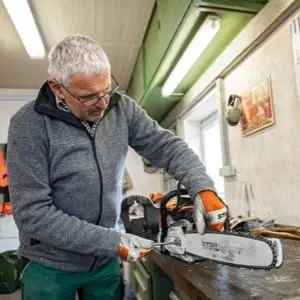 Regular inspections help identify problems before they affect cutting performance. You don’t need specialist equipment for every check, although a suitable filing kit and basic maintenance tools are useful.
Before inspecting your chainsaw, switch it off and allow the cutting equipment to cool. Remove the battery or disconnect the spark plug, depending on the type of saw. Wear suitable protective gloves when handling the chain.
Start by examining the cutters for rounded edges, chips and cracks. Check the wear indicators to see whether the teeth remain within their permitted sharpening limits. Look closely at the drive links and connecting rivets for damage.
Next, check the chain tension. It should sit correctly in the guide bar groove without being excessively tight or loose. Follow your chainsaw handbook for the correct adjustment procedure.
Move on to the guide bar. Inspect both rails along their full length, looking for uneven wear, burrs and deep scoring. Check the groove for dirt, compacted debris and damage. The oil delivery holes should also be clear to allow proper lubrication.
If your guide bar has a nose sprocket, inspect it for damage and restricted movement. Do not continue using the saw if the sprocket appears seized or badly worn.
Some guide bars can be turned over to distribute wear more evenly. However, this will not repair a damaged groove or restore badly worn rails. Check the manufacturer’s instructions to establish whether your particular bar is reversible.
If you find damage that you cannot assess or correct safely, arrange an inspection by a qualified chainsaw technician.
Why Correct Chain Tension and Lubrication Matter
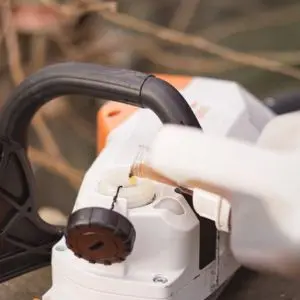 Even a sharp chain and serviceable guide bar can suffer premature wear if the saw is not maintained correctly. Two important factors are chain tension and lubrication.
A chain that is too tight creates unnecessary friction between the chain and guide bar. This can increase heat and accelerate wear. If the chain is too loose, it may move excessively within the groove or come off during operation.
Always follow the manufacturer’s instructions when adjusting chain tension. Check it regularly, particularly during longer cutting sessions.
Lubrication is equally important. Chainsaw chain oil creates a protective film between the moving chain and guide bar. This reduces friction, controls heat and limits wear.
Check the oil level before each use and make sure the automatic lubrication system is working correctly, where fitted. The guide bar groove and oil delivery holes should also remain clear.
Avoid running your chainsaw with insufficient lubrication, as this can cause serious damage to both components.
Why Replacing Worn Chainsaw Components Matters
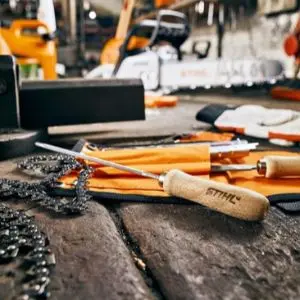 It can be tempting to keep using a chain or guide bar that is showing signs of wear. However, delaying replacement can lead to further problems.
A blunt chain makes cutting slower and more demanding. It also creates additional friction, which can place extra strain on the saw. Keeping the chain sharp helps maintain efficient cutting and reduces unnecessary wear.
A badly worn guide bar can affect chain alignment and movement. This makes accurate cutting more difficult and increases the risk of the chain derailing. Damaged rails and sprockets can also accelerate wear on a replacement chain.
There is an important safety consideration too. A chainsaw chain moves at high speed, so damage to its links, cutters or rivets needs to be taken seriously. A compromised chain can fail during operation and potentially cause serious injury.
Replacing worn components at the right time helps maintain cutting performance, reduces the risk of further damage and makes your equipment safer to operate.
When fitting replacements, always check that the chain and guide bar are compatible with your particular saw. The pitch, gauge and drive link count must match the manufacturer’s requirements.
Find the Right Chainsaw Accessories at Ron Smith & Co
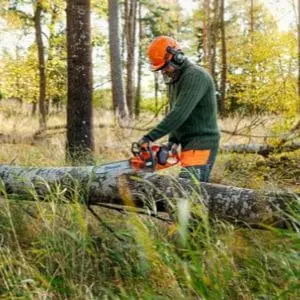 Keeping your chainsaw in good condition is easier when you have access to the right replacement parts and maintenance equipment.
As well as stocking a superb range of chainsaws, we also sell a comprehensive selection of chainsaw accessories. This includes spare chains, guide bars, chainsaw chain oil and filing kits to help you maintain your equipment.
Whether you need a replacement chain, a new guide bar or supplies for routine maintenance, we have plenty of options to explore.
And if you’re unsure which chain or guide bar your chainsaw requires, our friendly staff are always on hand to help. We are happy to share the benefit of our expertise and help you find the right products for your machine.
Explore Ron Smith & Co’s range of chainsaws and chainsaw accessories today. With the right maintenance and replacement parts, you can keep your equipment cutting efficiently and safely for years to come.