Clearing a storm-damaged garden involves assessing hazards, wearing suitable PPE and removing fallen branches, leaves and other debris. Chainsaws, pole saws, wood chippers, leaf blowers, garden vacuums, water pumps and hedge trimmers each help with different tasks. Hand tools, trailers and other equipment can also assist with restoring outdoor spaces safely and efficiently.
Essential Tools and Tips for Clearing Up Storm Damage
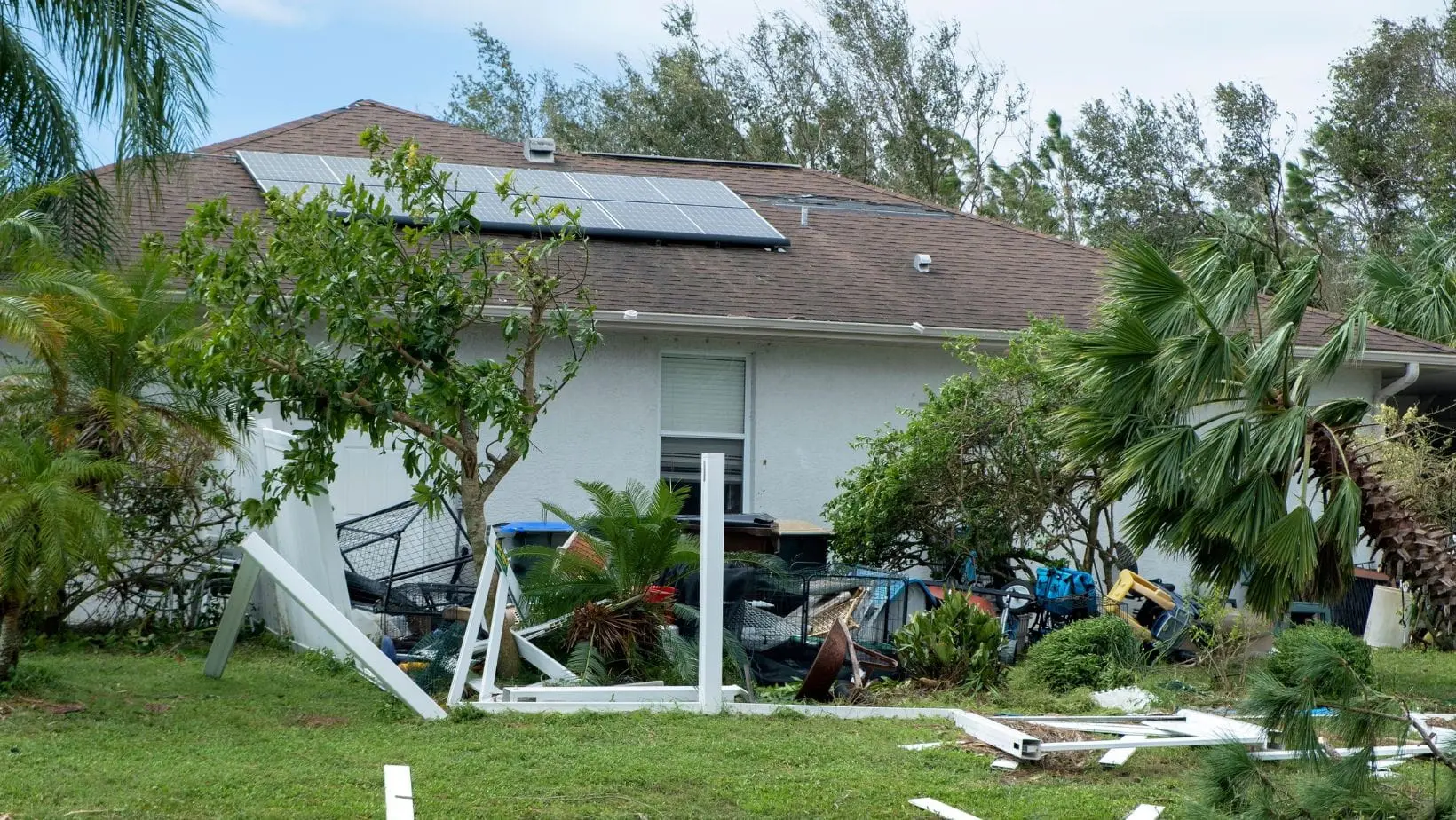
Strong winds, heavy rain and severe storms can leave even the best-kept gardens looking worse for wear. Fallen branches, damaged hedges, scattered leaves and waterlogged ground are just some of the problems homeowners have to face up to once the weather improves.
Knowing how to clear up a garden after a storm can make the recovery process safer and more manageable. While some damage requires professional attention, many routine tasks can be handled with the right garden machinery.
In this guide, we’ll explain how to assess storm damage safely, choose suitable equipment and get your garden back into shape.
Staying Safe During a Post-Storm Garden Clean-Up
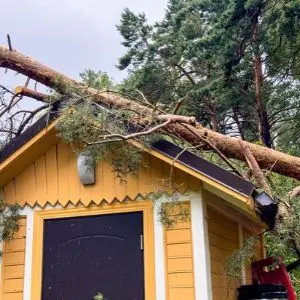 Before starting work, inspect your garden for potential hazards. Look for unstable trees, hanging branches, damaged fences and loose roofing materials. Waterlogged soil can also weaken tree stability, even when there are no obvious signs of damage.
Keep well clear of fallen power lines and standing water near electrical installations. If you suspect cables have been damaged, contact your electricity network operator.
Never attempt to cut windblown trees, suspended branches or timber trapped under tension. These can move without warning, making them extremely dangerous to handle. Leave hazardous tree work and damaged structures to qualified professionals.
Only begin clearing debris once the storm has passed and conditions are safe.
Wear the Right Personal Protective Equipment
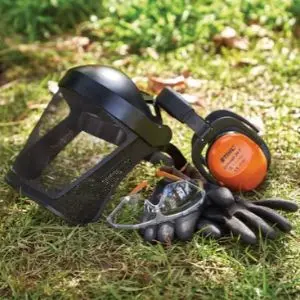 Suitable personal protective equipment (PPE) is essential when clearing storm debris. The protection required depends on the work involved and the machinery being used.
Sturdy footwear with slip-resistant soles provides better grip on wet ground, while protective gloves help when handling branches and rough timber. Safety glasses or a visor can protect against flying debris, and hearing protection may be needed when operating powered equipment.
Chainsaw users require additional protection, including suitable chainsaw-rated trousers or chaps, protective boots, gloves and appropriate head, eye, face and hearing protection.
Remember that PPE reduces certain risks but cannot make dangerous tree work safe.
Chainsaws: Cutting Fallen Branches and Timber
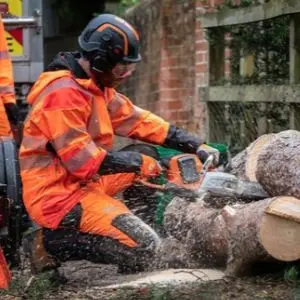 One of the most common forms of garden storm damage is fallen timber. Strong winds can break branches, damage mature trees and leave substantial amounts of wood scattered across lawns and paths.
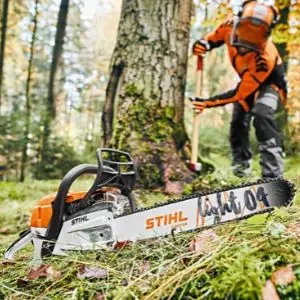
A chainsaw can be useful for cutting stable, manageable sections of fallen timber into smaller pieces. This makes them easier to move, store or prepare for further processing.
Choosing a Chainsaw for Garden Storm Damage
For occasional domestic use, a cordless chainsaw offers straightforward starting, relatively low noise and freedom from petrol engine maintenance. These machines are particularly appealing to homeowners who already own compatible batteries.
Petrol chainsaws provide another option for regular cutting work, particularly where access to charging facilities is limited. They are available in a wide range of sizes to suit different applications.
However, selecting a chainsaw isn’t simply about choosing the most powerful model. Bar length, weight, handling and the operator’s experience are equally important. For routine garden clearance, choose a machine suited to the timber’s size and your level of competence.
Pole Saws: Pruning Accessible Branches
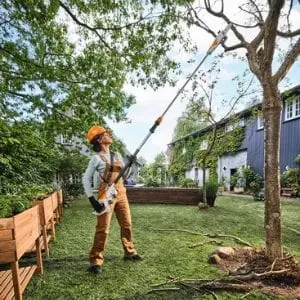 Storms don’t always bring branches completely to the ground. Some trees may suffer smaller breaks that leave damaged growth within the canopy.
A pole saw allows suitable branches to be pruned from ground level without using a ladder. Its extended shaft helps the operator reach areas that would otherwise be difficult to access.
When Is a Pole Saw Useful?
Pole saws are best suited to routine pruning where branches are stable, accessible and within the machine’s cutting capacity.
Cordless models are particularly convenient for domestic gardens, while petrol-powered machines may suit more frequent maintenance across larger properties.
Wood Chippers and Garden Shredders: Managing Woody Waste
Once branches have been safely collected, the next challenge is deciding what to do with them.
Even a relatively small tree can produce a substantial volume of woody waste. Leaving piles of branches around the garden can obstruct paths, damage lawns and make further maintenance difficult.
A garden shredder or wood chipper can reduce the volume of suitable material, making disposal and recycling much easier.
Choosing Between a Garden Shredder and Wood Chipper
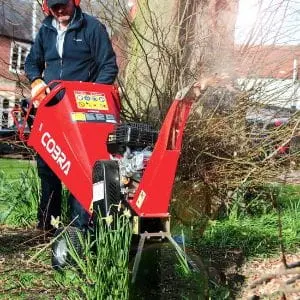 Garden shredders are typically associated with processing green waste, such as leaves, hedge trimmings and softer plant material. Wood chippers, meanwhile, are generally designed to break down branches and other woody debris into smaller pieces.
However, the distinction isn’t always clear-cut. Many machines can handle both green and woody waste, while manufacturers often use the terms ‘shredder’ and ‘chipper’ interchangeably.
Rather than relying on the product’s name, it’s more useful to consider the types of material it can process, its maximum branch diameter and overall capacity.
Processed material may be useful as garden mulch or as part of a composting system, depending on its composition. Avoid spreading chipped wood from diseased plants.
When choosing a machine, check its maximum branch diameter and the types of material it can process. This will help you select equipment suited to your garden waste and avoid unnecessary blockages.
Leaf Blowers and Garden Vacuums: Clearing Scattered Debris
Heavy winds can leave lawns, patios, paths and driveways covered in leaves, twigs and other lightweight garden debris.
Although a rake remains useful for smaller areas, a leaf blower can make clearing larger spaces much more efficient.
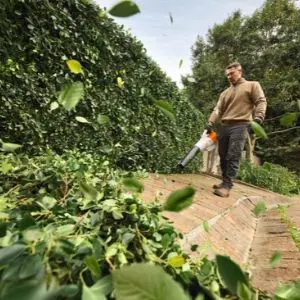 Using a Leaf Blower After a Storm
Leaf blowers work by directing a controlled stream of air across the ground, moving loose material into manageable piles.
They’re particularly effective on patios, paths and other hard surfaces. Variable-speed models allow users to reduce airflow when working around flowerbeds, gravel or delicate plants.
Wet leaves can be more difficult to shift because they stick together and cling to surfaces. Where possible, allow them to dry before using a blower, or loosen compacted material with a rake.
When Is a Garden Vacuum More Useful?
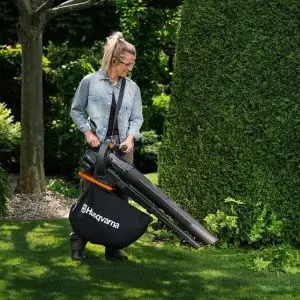 A garden vacuum collects suitable leaves and lightweight debris rather than simply moving them elsewhere.
Many models also feature shredding functions that reduce the volume of collected material. This can be useful when clearing smaller gardens or preparing leaves for composting.
Some machines, such as the STIHL SH 86 Petrol Handheld Leaf Blower & Vacuum Shredder, combine blowing and vacuuming functions.
However, garden vacuums aren’t designed to collect stones, large branches or heavy rubble, so always check the manufacturer’s guidance before use.
Water Pumps: Dealing with Flooded Gardens
Heavy rainfall can leave gardens flooded long after strong winds have subsided. Low-lying lawns, ditches and other poorly drained areas are particularly vulnerable.
Where standing water cannot drain naturally, a suitable water pump may help remove it and transfer it to an appropriate discharge point.
Choosing the Right Water Pump
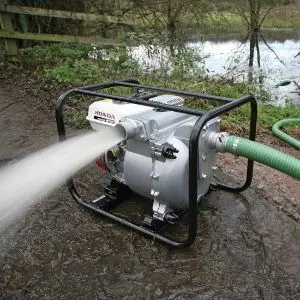 Not all water pumps are designed to handle the same conditions.
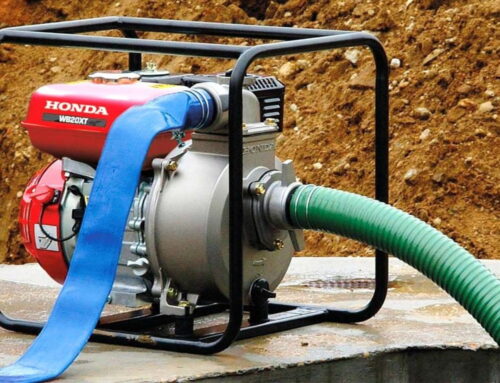
Clean-water pumps are intended for relatively clear water containing little or no solid debris. Dirty-water pumps can handle certain suspended particles, while trash pumps are built for more demanding conditions involving larger solids.
The correct choice depends on the water’s condition and the pump’s solids-handling capacity, along with the distance and height through which water must be moved.
Petrol water pumps are particularly useful where mains electricity isn’t available. However, their engines must only be operated outdoors because of the risk of carbon monoxide poisoning.
Before pumping, establish a suitable discharge route that won’t cause flooding elsewhere. Remember that removing standing water won’t necessarily resolve underlying drainage problems, which may require further investigation.
Hedge Trimmers: Restoring Damaged Hedges and Shrubs
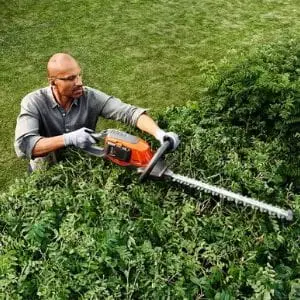 Strong winds can leave established hedges looking untidy, with broken shoots, bent stems and uneven growth.
Once the weather has settled, careful pruning can help restore their appearance and encourage healthy development.
Tidying Hedges After Severe Weather
Start by inspecting the hedge for structural damage. Larger broken branches may need to be removed before any general trimming begins.
A hedge trimmer is useful for cutting smaller shoots and restoring an even finish. Cordless hedge trimmers offer easy handling without trailing power cables, making them a popular choice for domestic gardens.
For thicker woody growth, use suitable loppers or a pruning saw rather than forcing branches through the trimmer’s blades. Selective pruning may also be preferable where shrubs have suffered extensive damage.
You should check for nesting birds before carrying out hedge maintenance. Active nests are protected by law, so any work that could damage or disturb them must be avoided.
Other Useful Tools for Clearing Up After a Storm
Although powered garden machinery can handle many demanding jobs, smaller hand tools also play an important role in restoring a storm-damaged garden.
 Secateurs, loppers, pruning saws and garden rakes are particularly useful for removing minor broken growth, collecting twigs, and clearing areas where larger machines would be impractical. Hand tools also offer greater control when working around delicate plants.
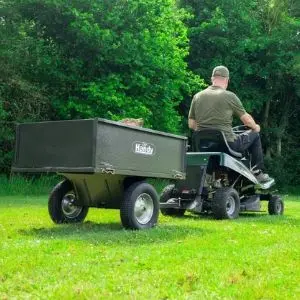
Once debris has been gathered, a wheelbarrow or garden trailer can help transport branches, logs and other waste to a suitable collection point. These are especially valuable in larger gardens, where repeated journeys carrying heavy materials can become tiring.
Pressure washers help remove mud and dirt from patios, paths and driveways after loose debris has been cleared. Take care around damaged paving, loose pointing and delicate surfaces, as high-pressure water may cause further deterioration.
If you’d like to make use of suitable fallen timber, a log splitter can help prepare properly cut logs for firewood. The wood should be free from foreign objects and processed within the machine’s stated capacity. Freshly cut logs will also need sufficient seasoning before being burnt.
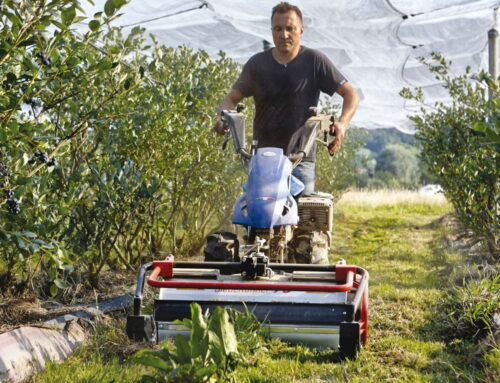
Finally, brushcutters and rough-cut mowers could be useful when restoring overgrown areas after the main clean-up. Before using either machine, thoroughly inspect the ground and remove branches, stones, wire and other objects that could damage the equipment or be thrown by its cutting mechanism.
Get Your Garden Back in Shape with Ron Smith & Co
 Restoring a garden after a storm becomes much more manageable when you tackle the work in stages. From processing fallen branches to clearing leaves and removing standing water, choosing equipment suited to each task can save considerable time and effort.
At Ron Smith & Co, we stock a comprehensive range of garden machinery, hand tools and protective equipment from leading brands, including STIHL, Husqvarna, Honda, and many more.
Whether you’re looking for a chainsaw, garden shredder, leaf blower, water pump or another essential tool, our experienced team can help you find equipment suited to your needs.
Explore our garden machinery range online or visit one of our showrooms in Hereford and Worcester for expert advice. With the right tools and a little careful planning, you’ll soon have your garden looking spick and span.