Zero-turn mowers excel at fast, precise manoeuvring around obstacles, making them highly productive across large grounds. Out-front mowers provide excellent deck visibility and access beneath benches, shrubs and overhanging features. Both can deliver an excellent finish, while performance on slopes depends on the individual machine. Ultimately, the best choice depends on your grounds, terrain and mowing priorities.
Out-Front vs Zero-Turn Mowers for Large, Complex Grounds
Choosing a mower for several acres of grass is not simply a question of buying the widest cutting deck. The layout of the grounds matters just as much as their overall size. Trees, borders, benches, slopes, narrow passages and uneven terrain can all influence which machine will work most efficiently.
If you’re searching for the best lawnmower for a large garden, two designs deserve particular attention: zero-turn and out-front mowers. Both provide excellent manoeuvrability, yet they approach largescale mowing in different ways.
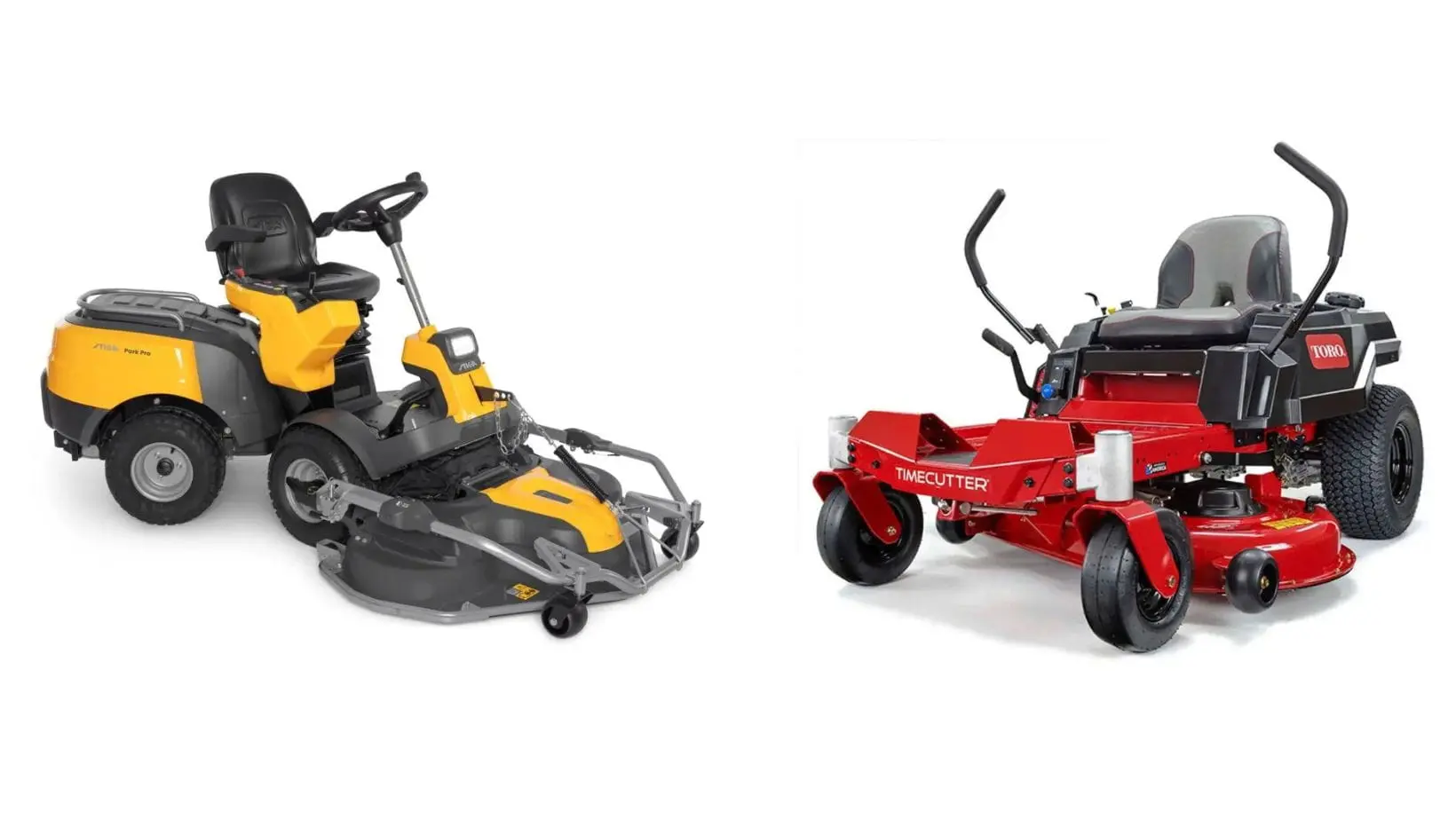
Zero-turn machines excel at changing direction quickly and navigating around obstacles. Out-front mowers place the cutting deck ahead of the machine, providing excellent visibility and access beneath overhanging features. Neither design is automatically better. The right choice depends on the grounds you need to maintain.
What Is the Difference Between a Zero-Turn and Out-Front Mower?
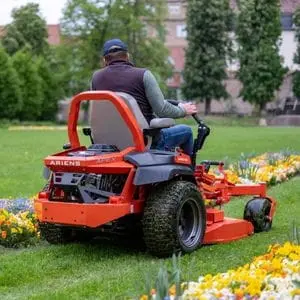 A zero-turn mower usually carries its cutting deck beneath the operator, between the front and rear wheels. Independently driven rear wheels allow the machine to pivot extremely tightly. In many cases, it can turn within its own footprint.
This exceptional agility is among the most important zero turn mower advantages. Instead of making wide loops at the end of each pass, the operator can turn sharply and begin the next run with very little repositioning.
An out-front mower takes a different approach. Its cutting deck projects ahead of the main machine. Many models combine this arrangement with articulated steering or other systems designed for precise manoeuvring.
Placing the deck at the front provides a clear view of the cutting area. It also lets the mower reach beneath shrubs, benches and low branches. For complex landscaped grounds, this could reduce the amount of follow-up work required with smaller machinery.
Which Is More Manoeuvrable?
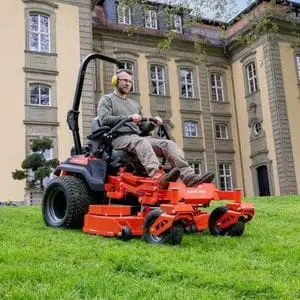 Both designs are highly manoeuvrable, but they behave differently.
A zero-turn mower is particularly effective where the main challenge involves repeatedly navigating around individual obstacles. Trees, posts, beds and other features can be approached closely before the mower rapidly changes direction.
This agility also improves productivity across large open lawns. Fast turns at the end of each pass reduce wasted movement and help the operator maintain an efficient mowing pattern.
Out-front machines take a different approach. Articulated models bend through the centre as they turn, helping the rear section follow the front around obstacles. This makes them particularly effective on winding routes and intricately landscaped sites.
The decision therefore depends on the type of complexity involved. A zero-turn excels at rapidly manoeuvring around obstacles. An out-front mower adds the ability to place its deck into spaces that the main body cannot enter.
Cutting Around Trees, Benches and Borders
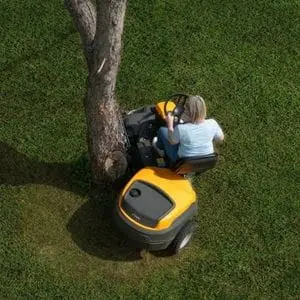 Deck position becomes particularly important on heavily landscaped grounds.
With a zero-turn machine, the front wheels reach an obstacle before the deck. Although the mower can turn very tightly around a tree or border, its cutting deck remains underneath the machine.
An out-front mower reaches the grass with its deck first. The operator also has a clearer view of where the deck is positioned. This makes it easier to work beneath benches, low shrubs and overhanging vegetation.
For estates and large gardens with many such features, that extra reach could save considerable time. Less grass may be left for follow-up work using a strimmer or pedestrian mower.
If your idea of the best mower for large gardens is the machine that minimises finishing work, this distinction deserves close attention.
Visibility, Productivity and Control
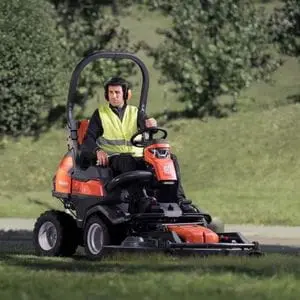 A front-mounted deck naturally gives the operator a clear view of the cutting area. This is useful when following borders, working around landscaping or approaching awkward corners.
Zero-turn mowers provide a different type of control. Their responsive steering allows rapid changes in direction and accurate positioning around obstacles.
People searching for a large lawn mower often focus on cutting width, but productivity involves much more than this. Time spent turning, reversing and tidying missed areas should also be considered.
Zero-turn machines are particularly good at maintaining efficient mowing patterns. Commercial models may combine wide decks with high travelling speeds, making them attractive to contractors and estate managers.
An out-front mower may save time elsewhere. Its accessible deck can reach areas that would otherwise require separate attention. On complex sites, reducing secondary mowing and strimming may matter more than outright speed.
Consequently, the best lawn mower for a large garden is not necessarily the one with the widest deck or highest maximum speed.
What About Slopes and Uneven Ground?
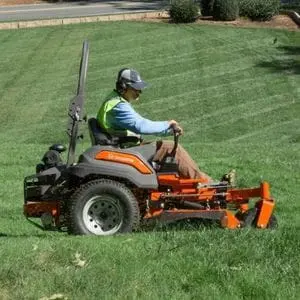 Slopes require particular care. Suitability depends on the individual machine, gradient and ground conditions, so manufacturer guidance should always take priority.
Zero-turn machines are primarily valued for manoeuvrability and productivity rather than their ability to tackle every gradient. Their steering characteristics mean operators should take particular care on slopes, especially in wet conditions.
Some out-front machines feature equipment designed to aid traction and stability. Depending on the model, this could include a low centre of gravity, four-wheel drive or advanced traction control.
Therefore, it would be misleading to assume that every out-front mower is better on slopes than every zero-turn. Specifications and operating limits should always be compared at model level.
Which Design Produces the Better Finish?
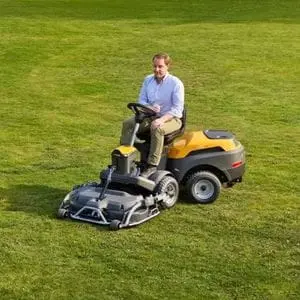 Both mower types are capable of producing an excellent finish. Deck design, blade condition, grass length, ground speed and mowing technique all influence the final result.
An out-front deck cuts the grass before the mower’s main wheels travel over it. This can be advantageous where presentation matters because the grass has not already been pressed down by the machine.
A good zero-turn can also produce a clean, consistent cut while covering large areas quickly. Commercial models often use deep fabricated decks and carefully managed airflow to process clippings effectively.
So, if you’re looking for the best petrol lawn mower for large gardens, you’ll need to consider much more than the engine type. Deck design, discharge method and the nature of the turf are equally important.
Examples from Our Zero-Turn and Out-Front Mower Ranges
The following machines show the broad range of zero-turn and out-front buying options available at Ron Smith & Co. They are not direct alternatives. Instead, they show how both designs extend from machines suited to large private gardens through to equipment developed for intensive professional use.
EGO ZT4201E-L Z6 Battery Zero-Turn Riding Mower
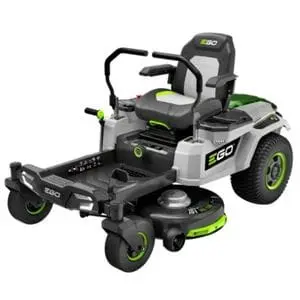 The EGO ZT4201E-L Z6 demonstrates that owning a good zero-turn no longer means buying a large petrol lawn mower. This battery-powered ride-on combines a 42-inch (107 cm) twin-blade deck with zero-radius turning and a maximum power output equivalent to a 22 hp petrol engine.
Four independent brushless motors deliver impressive levels of performance, while three operating modes allow the driving characteristics to be adapted to the task and operator. A maximum speed of 8 mph (12.9 km/h) helps the EGO ZT4201E-L Z6 cover substantial lawns efficiently.
Power comes from EGO’s 56 V ARC Lithium™ batteries. The kit includes four 10 Ah batteries and a charger, while additional battery capacity can extend the machine’s mowing capability. Side discharge is standard, with collection available as an optional extra.
If you’re looking for a large garden lawn mower without a petrol or diesel engine, this innovative EGO zero-turn offers a compelling solution.
Find out more about the EGO ZT4201E-L Z6 Battery Zero-Turn Riding Mower here.
Kubota ZD1211 Diesel Zero-Turn Mower
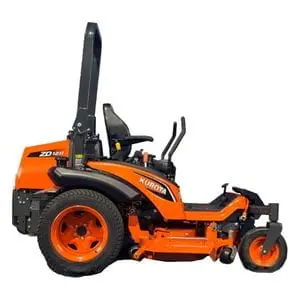 Moving firmly into the professional category, the Kubota ZD1211 shows what the zero-turn concept offers contractors, local authorities and estate managers.
Its three-cylinder Kubota D1105 diesel engine develops 24.8 hp (18.5 kW), while the substantial 60-inch (152 cm) rear-discharge deck features a flat design with three blades. Forward speeds reach 10.6 mph (17 km/h), helping operators cover extensive sites efficiently.
The zero-turn steering system allows precise movement around trees, paths and ornamental planting. This reduces unnecessary overlap while retaining the productivity expected from a commercial mower. Hydrostatic transmission provides smooth power delivery, while adjustable steering levers and a suspension seat support operator comfort during long days.
If you’re searching for the best ride on lawn mower for large gardens in a commercial setting, the ZD1211 really does take some beating.
Learn more about the Kubota ZD1211 Diesel Zero-Turn Mower here.
Husqvarna R214TC Ride-On Mower
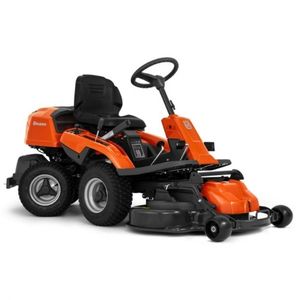 The Husqvarna R214TC represents a very different approach to largescale garden maintenance. Its front-mounted 37-inch (94 cm) Combi deck provides an excellent view of the cutting area and reaches beneath shrubs, benches and other features with ease.
Articulated steering helps the machine negotiate complicated gardens with impressive agility. The deck supports both BioClip® mulching and rear discharge, providing flexibility as grass conditions change throughout the season.
Power comes from a twin-cylinder Husqvarna engine, while pedal-operated hydrostatic transmission makes controlling speed straightforward. A high-back seat and ergonomic controls help make longer mowing sessions more comfortable.
With its accessible front deck, agile articulated steering and premium Husqvarna build quality, the R214TC rider is a great investment for serious domestic users searching for the best lawnmower for big gardens.
Discover more about the Husqvarna R214TC Ride-On Mower here.
Kubota FC3-261 Out-Front Mower
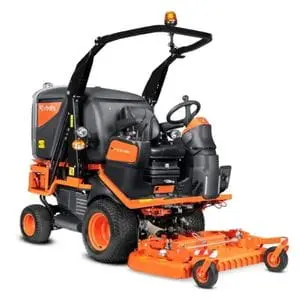 At the professional end of the out-front category sits the Kubota FC3-261 ride-on mower. Designed for demanding work on estates, parks and sports facilities, it combines a 26 hp (19.2 kW) three-cylinder diesel engine with permanent four-wheel drive and Kubota’s patented hydrostatic traction control.
Operators can choose from several front-mounted cutting systems, including rotary and flail options. This allows the machine to be configured for different groundcare requirements.
The FC3-261 riding mower also offers an 800-litre collector with hydraulic high dumping. This makes it particularly useful where large quantities of cut material need to be collected and transferred efficiently.
The front-mounted cutting system provides excellent visibility around landscaping. For professional users considering machinery beyond the requirements of a typical ‘lawnmower large garden’ model, the FC3-261 demonstrates what is available at the commercial end of the market.
See the Kubota FC3-261 Out-Front Mower in action here.
Which Type of Mower Is Better for Your Grounds?
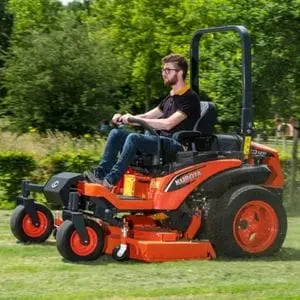 There is no universal answer to the question of what is the best lawn mower for large garden maintenance. The layout of the site should determine which features matter most.
If you maintain broad areas of grass interspersed with trees, posts and other obstacles, a zero-turn mower’s ability to pivot quickly could transform productivity. This kind of ride-on mower is especially attractive where fast coverage and efficient changes of direction are priorities.
Should your grounds contain benches, shrubs, low branches, intricate borders and other features that require the deck to reach into confined spaces, an out-front design may prove more suitable. Its excellent deck visibility can make precise mowing easier too.
Terrain should also influence the decision. Where slopes or uneven surfaces are significant, examine each machine’s traction, stability and manufacturer guidance rather than choosing solely by mower category.
If you want to purchase the best lawnmower for large gardens, a machine that excels on five acres of relatively open grass may not be the right choice for a smaller but far more intricate estate.
Find the Right Large Lawn Mower at Ron Smith & Co
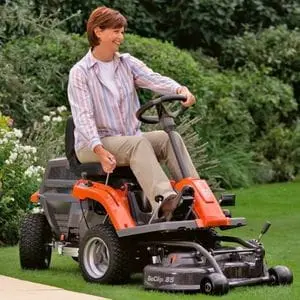 Zero-turn and out-front mowers solve many of the same problems, but they do so in different ways. Zero-turn machines place exceptional directional agility at the heart of their design. Out-front mowers combine manoeuvrability with excellent cutting access and deck visibility.
So, rather than simply asking what is the best type of mower for large garden maintenance, consider where the machine needs to go. Think about the obstacles it must negotiate, the terrain it will encounter and how much finishing work might remain afterwards.
Ron Smith & Co is one of Britain’s leading suppliers of both out-front and zero-turn mowers, with options for large private gardens, estates and demanding professional environments. Our range extends from innovative cordless machines through to the best petrol lawnmowers for large gardens, plus heavy-duty diesel models.
If you’re still unsure which design best suits your grounds, our friendly staff are always on hand to offer expert advice. We can help you compare the options and find a large lawn mower that is perfectly matched to your workload.