Autumn can be an excellent time to cultivate allotments and vegetable beds, provided the soil is not too wet. This guide explains how soil condition, compaction, weeds, and moisture affect when to cultivate, plus where powered tillers and rotavators make preparation easier.
When Should You Cultivate Your Garden or Allotment?
Autumn is an important season for gardeners. As summer crops finish, borders become quieter and allotments begin to wind down, many gardeners start thinking about how to prepare their growing spaces for the year ahead. However, deciding whether to dig, cultivate, or leave the soil alone is not always straightforward.
Understanding when to work the ground, and when to let nature take its course, helps protect soil health while creating better conditions for future planting. For gardeners looking to prepare vegetable gardens for winter, autumn can provide an excellent opportunity to improve growing areas, remove problems before spring, and make seasonal maintenance easier.
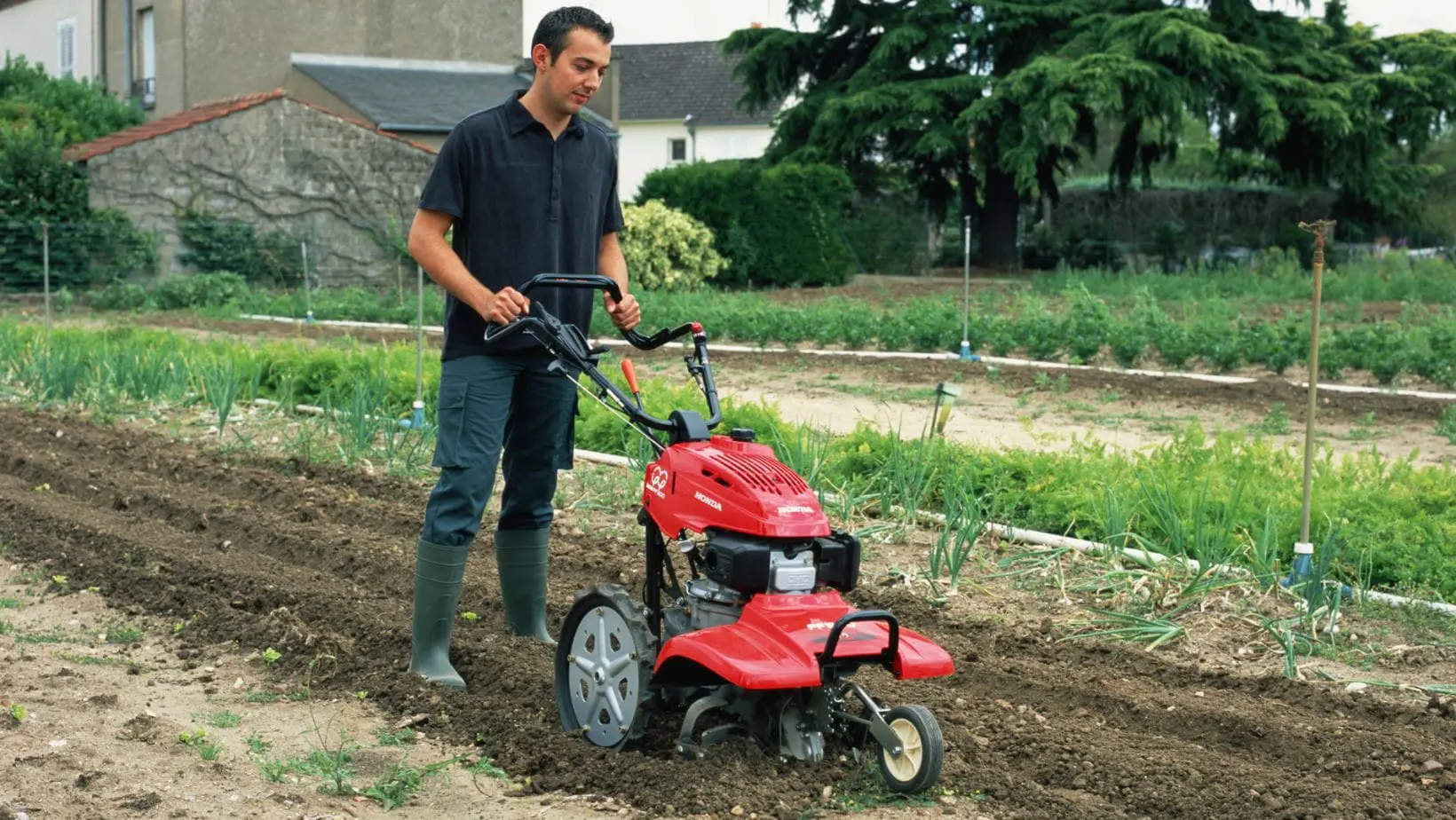
Powered cultivators and tillers can make rotavating gardens significantly less demanding, particularly on larger vegetable plots and allotments. However, the right machine should always match the condition of the soil and the scale of the work required.
Is Autumn the Best Time to Rotavate Gardens?
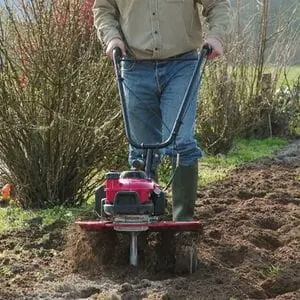 Many gardeners ask when is the best time to rotavate a garden, but the answer depends on several factors. Autumn can be an ideal time for rotavating a garden because the soil has usually retained some warmth from the summer months, while there is still enough time before winter for the ground to settle.
Cultivating soil in autumn can help break up compacted areas, incorporate organic matter, and prepare beds ready for the following growing season. It is especially useful after clearing summer crops, when vegetable beds need refreshing before winter arrives.
If you’re wondering how to rotavate a garden successfully, preparation is essential. The soil should be moist enough to work but not saturated. When conditions are right, a suitable tiller or rotavator can create a more open structure, allowing air, water, and nutrients to move more effectively through the soil.
However, autumn cultivation is not always necessary. Healthy soil with good structure may benefit more from minimal disturbance, particularly if it already contains plenty of organic matter and supports active worm populations.
Check Soil Conditions Before Cultivating
 One of the biggest mistakes gardeners make is working soil when conditions are unsuitable. Heavy rainfall during autumn can quickly leave ground waterlogged, and using machinery on wet soil may cause more problems than it solves.
When soil is too wet, cultivation can compress particles together and create a dense layer that restricts drainage. This can make future planting more difficult and damage the natural structure that plants rely on.
A simple test is to take a handful of soil and squeeze it. If it forms a sticky ball that remains compressed, it is probably too wet to cultivate. Ideally, the soil should crumble when handled rather than clinging together.
When learning how to rotovate your garden, patience is important. Waiting for the right conditions will produce better results and reduce unnecessary strain on both the gardener and the machine.
Dealing With Compacted Soil
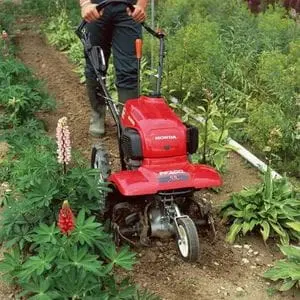 Compaction is one of the main reasons gardeners choose to cultivate in autumn. Regular foot traffic, wheelbarrows, machinery, and heavy rainfall can gradually reduce the amount of air space within the soil.
Compacted ground prevents roots from spreading easily and can restrict the movement of water and nutrients. This is particularly common on allotments, where paths, working areas, and heavily used beds often experience repeated pressure.
A powered tiller or rotavator provides an efficient solution by loosening the soil and restoring a more workable texture. Smaller machines are ideal for established vegetable beds, while larger rotavators are better suited to neglected ground or extensive areas.
When rotavating an allotment, it is important not to overwork the soil. Breaking up the ground too finely can damage its structure, leaving it more vulnerable to erosion and drying out. The aim is to create a suitable planting environment, not turn the soil into powder.
Managing Weeds Before Winter
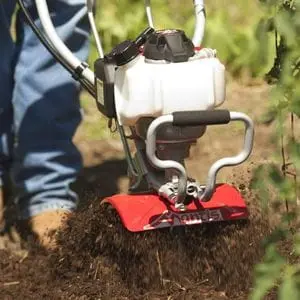 Autumn is also a useful time to deal with weeds before they become a bigger challenge next year. Clearing old vegetable growth and removing unwanted plants helps create a cleaner starting point for spring planting.
Cultivation can help disturb annual weeds and expose roots to colder weather. However, gardeners should take care when dealing with persistent perennial weeds such as couch grass or bindweed.
Rotavating areas containing these weeds may spread small pieces of root throughout the soil, potentially creating more plants rather than fewer. In these situations, removing as much of the root system as possible before using machinery is usually the better approach.
When determining the best way to rotavate a garden, understanding the condition of the ground beforehand is essential.
When Soil Should Be Left Undisturbed
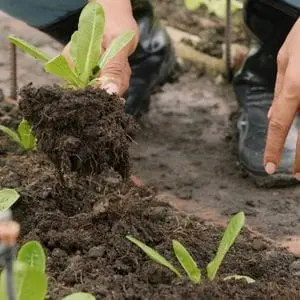 Although cultivation has many benefits, there are times when leaving things alone is the better option. Soil is a living environment containing worms, fungi, insects, and microorganisms that all contribute to healthy plant growth.
Established beds with good fertility may not require regular digging or cultivation. Instead, applying compost or well-rotted manure over the surface allows natural processes to improve the soil gradually.
Light sandy soils also require careful consideration. Because they already drain freely, excessive cultivation may reduce their ability to hold moisture and nutrients. In these situations, adding organic matter as a surface mulch may provide greater benefits.
You should also avoid cultivating immediately before heavy winter rainfall. Bare, freshly worked soil is more exposed to erosion and nutrient loss, particularly on sloping ground.
Choosing The Right Machine for Your Garden
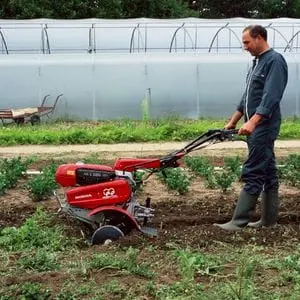 For many home gardeners, the main decision is not whether cultivation is useful or how to rotovate a garden, but which machine is suitable for the job. Selecting the best garden rotavator or tiller depends on the size of the area, soil condition, and how often it will be used.
Compact tillers are excellent for maintaining vegetable beds, allotments, and smaller growing areas. Larger rotavators provide extra power for tougher ground and bigger plots.
If you’re wondering how much to rotavate a garden, both in terms of the area size and investment involved, choosing the right machine is therefore essential. It will save you time, reduce physical effort, and deliver the right level of performance for the task at hand.
With this in mind, we sell a wide range of tillers, rotavators, and cultivators designed for different gardening requirements. The following examples demonstrate how two popular machines can help home gardeners prepare productive growing spaces.
STIGA SRC 36 V Petrol Tiller: Ideal For Vegetable Beds And Smaller Allotments
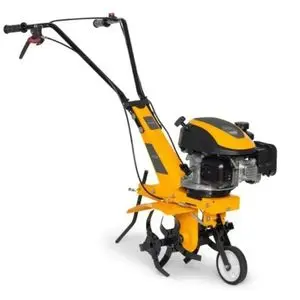 The STIGA SRC 36 V is a practical choice of petrol tiller for gardeners who need reliable soil preparation without using a large, heavy machine. Powered by a 123 cc four-stroke engine, it is designed to break up soil, mix nutrients, and prepare planting areas quickly and efficiently.
A 14-inch (36 cm) working width and adjustable depth make the SRC 36 V an excellent machine to prepare a vegetable garden for winter, especially in areas where manoeuvrability is important.
Lightweight at just 29 kg, this compact tiller is easy to move around the garden thanks to its front transport wheel and adjustable handlebar. Its four metal rotors help create suitable planting conditions, making it a useful companion for gardeners preparing beds throughout the growing season.
Find out more about the STIGA SRC 36 V Petrol Tiller here.
Husqvarna TR 348 Petrol Tiller: Extra Capability For Larger Growing Areas
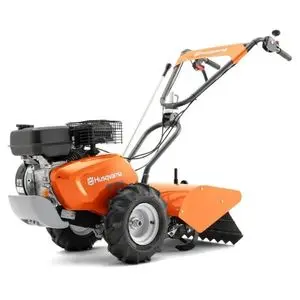 For gardeners managing larger allotments or more demanding soil, the Husqvarna TR 348 Petrol Tiller offers increased power and working capacity. Its 208 cc petrol engine, 19-inch (48 cm) working width, and 6-inch (15 cm) tilling depth make it suitable for breaking up tougher ground and refreshing larger planting areas.
The rear-tine design provides effective cultivation, while forward and reverse gears improve control when working around beds, paths, and tighter spaces. Adjustable handlebars allow users to find a comfortable working position, helping reduce operator fatigue during longer sessions.
If you’re comparing allotment rotavators for sale, the TR 348 combines impressive performance with practical handling to offer a useful step up in capability.
Learn more about the Husqvarna TR 348 Petrol Tiller here.
Prepare Your Soil With Confidence This Autumn
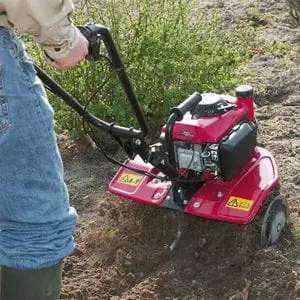 Autumn cultivation can be a valuable part of preparing a vegetable garden for winter, but timing and approach are crucial. Working the soil when conditions are right can improve structure, tackle compaction, and create better planting conditions for the following year.
However, the best results come from understanding when not to intervene. Wet ground, healthy established soil, and areas with good natural structure may benefit from being left undisturbed.
Whether you’re maintaining a small vegetable patch or managing a larger allotment, choosing the right equipment makes soil preparation so much easier. Here, at Ron Smith & Co, we offer an excellent range of Tillers, Rotavators and Cultivators to suit different gardening needs, from compact machines for home gardeners through to more powerful solutions for demanding ground conditions.
If you’re still unsure which machine is right for your garden, our friendly staff are always on hand to offer expert advice and help you choose the ideal equipment for your soil, space, and gardening ambitions.