Robot mowers can miss patches of grass for several reasons, including incorrect boundary wire installation, long or wet grass, insufficient mowing time, dull blades, uneven ground, and navigation issues. Fortunately, most problems are easy to fix with improved setup, schedule adjustments, sharper blades, or regular maintenance. This guide explains the most common causes of patchy cutting, how to prevent it, and when to seek professional robot mower servicing from expert technicians.
Why Robot Mowers Miss Patches of Grass and How to Fix It
Robot mowers are transforming the way many people care for their lawns. Instead of spending hours pushing a manual mower around the garden every weekend, these intelligent machines quietly maintain the grass for you, trimming little and often to keep everything looking neat and healthy.
But while robotic lawnmowers are remarkably effective, even the best models can occasionally leave behind tufts, strips, or patches of uncut grass. Sometimes the problem is temporary and easy to solve. Other times, it points to installation issues, maintenance oversights, or even a developing fault with the lawn robot itself.
The good news is that most of these cutting problems can be corrected quickly once you understand the cause. In this guide, we’ll explain the most common reasons a robot mower might miss areas of grass, how to prevent it from happening, and when it may be time to seek professional servicing.
Long Grass Can Overwhelm a Robot Mower
 One of the most common causes of missed patches is simply that the grass has grown too long before the robotic mower starts working.
Robot mowers are designed to maintain lawns rather than rescue heavily overgrown areas. If the grass is excessively tall, the robomow may flatten it instead of cutting it properly, leaving obvious clumps and uneven sections behind. Thick growth can also place extra strain on the cutting system and reduce overall mowing efficiency.
This often happens at the start of spring or after returning from a long holiday, when the lawn has been left untouched for several weeks.
How to Fix It
The best solution is to cut the lawn with a traditional mower before allowing the robot mower to take over. Once the grass is brought down to a manageable height, the robotic mower can maintain it far more effectively through regular, frequent cuts.
The Mower Is Not Running for Long Enough
 Many robotic lawnmowers that miss patches are simply not mowing often enough.
Grass growth changes dramatically throughout the year. During spring and early summer, lawns can grow far faster than expected, particularly during warm, wet weather. If the lawn robot’s schedule has not been adjusted to account for this increased growth, it may struggle to keep up.
This can create the appearance of random missed patches, especially in faster-growing sections of the garden.
How to Fix It
Increasing the mower’s operating hours usually solves the problem. Most modern robot mowers allow users to adjust schedules through an app, making it easy to add extra mowing sessions during peak growing periods.
A robot mower works best when it trims little and often. Frequent cutting encourages healthier grass growth and creates a far more consistent finish.
Incorrect Boundary Wire Installation
 For robotic mowers that rely on boundary wires, installation accuracy is incredibly important.
If the wire is positioned too far away from lawn edges, flowerbeds, fences, or pathways, the mower will turn before reaching the edge of the grass. This leaves untidy borders and strips of uncut lawn around the perimeter.
Even small installation errors can affect cutting performance noticeably.
How to Fix It
Checking the manufacturer’s recommended wire distances is essential, as these vary depending on the mower model and the type of border involved. Raised edges, walls, and level pathways all require slightly different positioning.
In many cases, adjusting the wire by only a few centimetres can significantly improve coverage.
Narrow Passages and Complex Garden Layouts
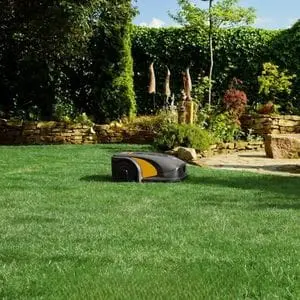 Basic robot mowers can sometimes struggle with tight access points or unusually shaped gardens.
Narrow corridors between borders, sheds, garden furniture, or raised beds may prevent the machine from reaching certain areas consistently. While premium robotic lawnmowers are becoming increasingly intelligent, difficult layouts can still reduce efficiency.
How to Fix It
If certain sections of the lawn are repeatedly being missed, it’s worth reviewing the garden layout and the robotic mower’s navigation settings.
Some models include guide wires, GPS-assisted navigation, or multiple starting points that help the mower access distant areas more effectively. Removing unnecessary obstacles and widening narrow sections where possible can also improve coverage.
Slopes and Poor Traction
 Steep inclines can create problems for some robotic lawnmowers, especially during wet weather.
If the robomow loses grip while climbing, it may slide or repeatedly change direction before fully cutting the area. This often leaves visible patches of uncut grass on slopes or uneven ground.
Even when a lawn robot is technically rated for steep gradients, muddy soil, loose ground, or damp grass can reduce real-world traction considerably.
How to Fix It
To improve performance, avoid mowing during very wet conditions and keep the lawn surface as smooth as possible. Some robotic mowers also support optional terrain wheels that provide better grip on difficult surfaces.
If your garden contains particularly challenging slopes, choosing a robotic mower specially designed for hilly terrain can make a major difference.
Dull or Worn Blades Reduce Cutting Quality
 Sharp blades are essential for achieving a clean, even finish.
Over time, robotic mower blades naturally become blunt through regular use. Stones, twigs, pinecones, and hidden debris can also damage the blades, causing them to tear the grass rather than cut it cleanly.
When blades become worn, the lawn robot may leave uneven patches or thin strands of grass standing upright after mowing.
How to Fix It
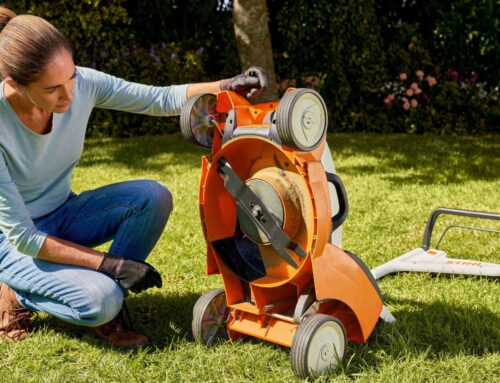
Regular blade inspection is therefore extremely important. Most robotic mower blades should be checked every few weeks during the mowing season and replaced periodically to maintain optimal cutting performance.
Fortunately, finding replacements and upgrades is simple. Our dedicated Robot Mower Accessories category includes a wide range of premium auto mower blades and other essential accessories to keep robotic mowers operating at their best.
Keeping blades sharp not only improves the appearance of the lawn, but also supports healthier grass growth by creating a cleaner cut.
Wet Grass Can Affect Performance
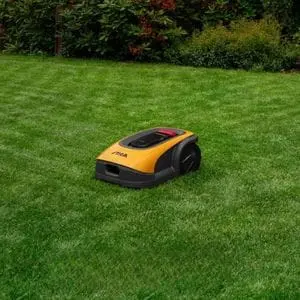 Although many automowers are weather resistant, wet grass can still reduce cutting quality.
Damp conditions may cause grass clippings to stick underneath the cutting deck, restricting airflow and reducing efficiency. Wet grass also tends to bend over more easily, making it harder for the mower to achieve an even cut.
This can create the impression that certain areas are being missed entirely.
How to Fix It
Where possible, scheduling mowing sessions during drier parts of the day often improves results. Regular cleaning underneath the deck is also important, particularly during periods of heavy rain or rapid growth.
Wireless Signal Problems on GPS Models
 Wire-free robotic lawnmowers rely heavily on satellite positioning and signal accuracy.
Dense trees, nearby buildings, thick hedges, or poor placement of reference stations can sometimes interfere with navigation. When signal quality drops, the robot mower may skip certain areas or follow inconsistent mowing paths.
How to Fix It
If you own a wireless robotic mower, ensuring that the reference station has a clear view of the sky is essential. Keeping firmware updated and carefully reviewing the initial mapping process can also improve navigation accuracy.
In gardens with particularly heavy tree cover, a wired robotic mower may sometimes provide more reliable long-term performance.
Obstacles Can Interrupt Mowing Patterns
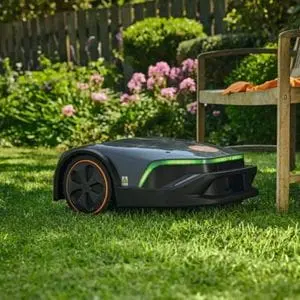 Garden clutter is another surprisingly common cause of missed patches.
Children’s toys, hoses, footballs, garden tools, fallen branches, and outdoor furniture can all interfere with the lawn robot’s movement. While robot mowers are designed to avoid obstacles safely, repeated obstruction prevents them from covering the lawn evenly.
How to Fix It
Keeping the lawn clear before mowing allows the machine to work far more efficiently and consistently.
Even advanced robotic mowers with intelligent obstacle detection perform best when the lawn is free from unnecessary objects.
Uneven Ground Can Leave Untouched Areas
 Bumpy lawns often cause inconsistent cutting results.
Dips, hollows, exposed roots, molehills, and rough terrain can prevent the cutting deck from maintaining a consistent height above the grass. In some cases, the robomow may pass over certain spots without properly cutting them.
How to Fix It
Improving lawn levelling can dramatically improve robotic mower performance. Filling low areas, repairing damaged sections, and smoothing uneven ground all help the automower maintain better contact with the lawn surface.
A smoother lawn almost always produces a cleaner, more professional-looking finish.
When the Problem Requires Professional Attention
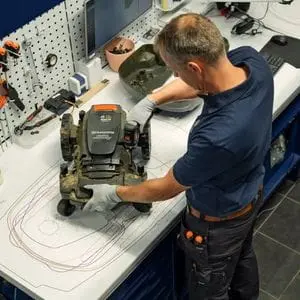 While most patchy mowing issues are straightforward to resolve, persistent problems can sometimes indicate a more serious fault.
If the mower continues missing areas despite correct setup and routine maintenance, there may be underlying issues involving the cutting system, sensors, navigation hardware, battery, or wheel motors.
Warning signs that may indicate the need for professional servicing include repeated error messages, unusual noises, excessive vibration, poor battery performance, docking failures, inconsistent navigation, or noticeable declines in cutting quality.
Professional servicing can identify faults before they develop into expensive repairs.
Robot Mower Servicing
Ron Smith & Co offers expert robot mower servicing carried out by highly trained technicians with unrivalled expertise in robotic lawncare machinery. Our comprehensive services include electronic diagnostics, software updates, blade replacements, battery testing, safety function testing, and more.
Regular servicing not only helps restore cutting performance, but also extends the lifespan of the machine and ensures it continues operating safely and efficiently throughout the mowing season.
Understanding How Robot Mowers Actually Work
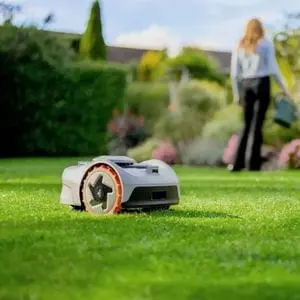 It’s important to remember that robotic lawnmowers operate differently from traditional mowers.
Many models use random or semi-random navigation patterns rather than cutting in neat stripes. This means the lawn may occasionally appear uneven, even though the automower will gradually cover the entire area over time.
Unlike conventional mowing, robotic lawncare is based on continuous maintenance rather than single-pass perfection.
Patience is often part of the process. Once properly installed and scheduled, a quality robot mower should maintain a consistently neat lawn with minimal intervention.
We’re Always On Hand to Help
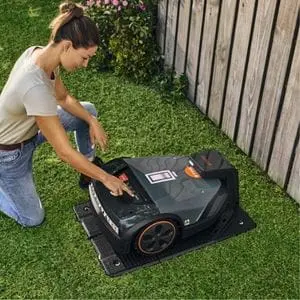 A robotic mower missing patches of grass can be frustrating, but the cause is usually straightforward to identify and correct. Long grass, worn blades, wet conditions, poor installation, insufficient mowing time, or complex garden layouts are all common contributors to uneven cutting.
Fortunately, a few adjustments are often all that’s needed to restore a beautifully even finish.
Regular maintenance also plays a major role in long-term performance. Keeping the mower clean, replacing blades promptly, reviewing navigation settings, and servicing the machine when needed will all help your robotic mower continue performing at its best.
And if problems persist, Ron Smith & Co is always on hand to help. With expert advice, replacement parts, branded accessories, and specialist robotic mower servicing, we can keep your robot lawnmower in peak condition for years to come.