Strimmer heads come in three main types: bump feed, auto feed, and fixed line. Bump feed heads offer the best balance of control and efficiency, auto feed heads prioritise ease of use but can use more line, and fixed line heads are the toughest option for heavy-duty work. Innovations like Husqvarna’s ErgoFeed use a button to advance line without needing to tap the head on the ground. Choosing the right strimmer head depends on your workload, with each suited to different gardening and professional tasks.
Understanding Strimmer Head Types
If you’re choosing a strimmer or brushcutter, there can be a temptation to focus on engine power, cutting width, or brand reputation. Yet one of the most important components—often overlooked—is the strimmer head. The way your machine feeds line can have a huge impact on efficiency, control, and overall ease of use.
With many different types of strimmer heads available, understanding how each system works will help you choose the right setup for your garden or professional needs. In this guide, we’ll explore the differences between bump feed, auto feed, and fixed line systems; while also highlighting how modern innovations are reshaping the way many people approach line trimming.
What Are the Different Types of Strimmer Heads?
Before going into detail, it’s worth outlining the main strimmer head types you’ll come across. Broadly speaking, these fall into three categories: bump feed, automatic feed, and fixed line systems. Each one has its own method of advancing cutting line, and each suits a different style of working.
Whether you’re maintaining a small suburban garden or tackling dense overgrowth, the right choice will depend on how much control you want, how often you work, and the type of vegetation you’re cutting.
Bump Feed Strimmer Heads: The Most Common Type
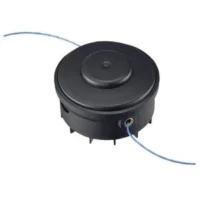 The bump feed strimmer head remains the most widely used system, and for good reason. It offers a strong balance between operator control and efficiency, making it suitable for both domestic users and professionals.
With a bump feed line trimmer, the cutting line is released by gently tapping the head against the ground while the machine is running. This action disengages the internal mechanism just enough to allow a small amount of line to feed out. It’s a simple concept, but one that gives the operator precise control over line length throughout the job.
The Honda Nylon Line Strimmer Head and AutoCut 2-2 STIHL strimmer bump head are popular examples of a bump feed mechanism, representing the kind of reliable, widely used systems found across many leading brands.
What Makes Bump Feed Popular?
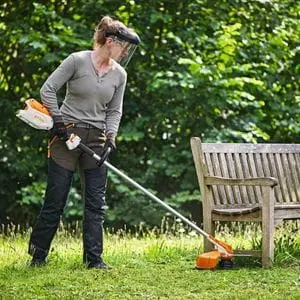 Bump feed line trimmer heads are particularly effective when working in varied conditions. If you’re moving between open lawn edges, tight corners, and areas with obstacles, you can adjust the line exactly when needed without stopping the machine. That flexibility is a key reason why it’s often considered the default choice across many strimmers.
Another major strength of bump strimmer heads is their efficiency in line usage. Because you decide when to feed more line, there’s less risk of unnecessary waste. This makes them a practical option for regular use, especially over larger areas where line consumption can add up over time.
Of course, like any mechanical system, it does require a little technique. New users may need a short adjustment period to get the timing right, but once mastered, it becomes second nature. Many experienced operators prefer this level of involvement, as it gives them confidence that the machine is performing exactly as intended.
In addition, modern designs have improved ease of maintenance. Features such as the ‘easy load self feeding strimmer bump head’ found on many newer machines simplify reloading, making it quicker to get back to work. This makes learning how to change a strimmer head/ mowing line when carrying out routine maintenance far simpler.
Husqvarna ErgoFeed™: A Modern Alternative to Bump Feed
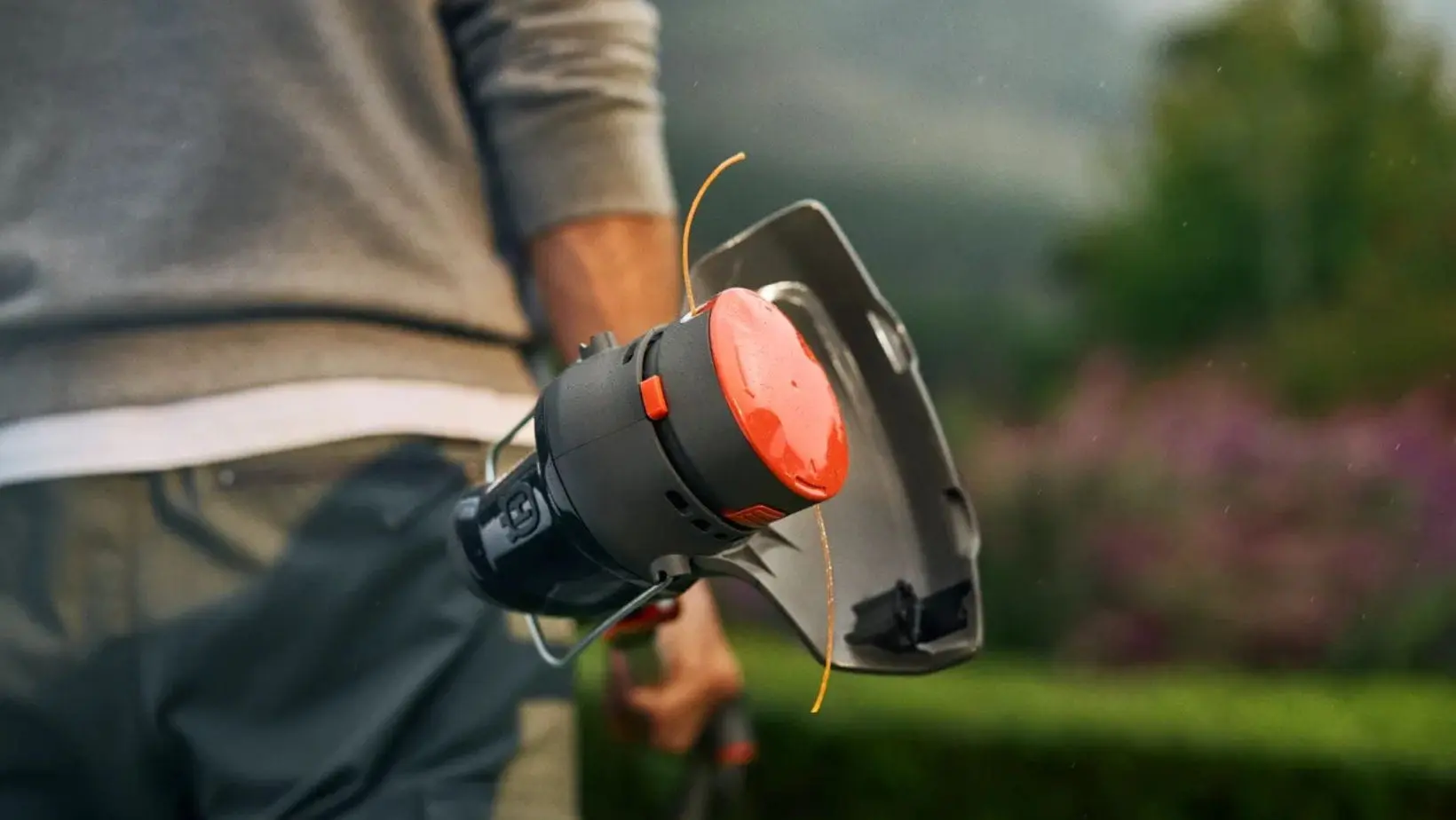
While bump feed remains the standard, the leading manufacturers continue to innovate. Husqvarna’s ErgoFeed™ system—as found on the Husqvarna 535iRXT Cordless Brushcutter—is a great example of how traditional designs are evolving.
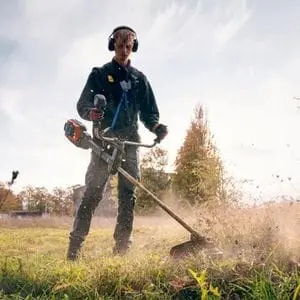 Rather than tapping the head on the ground, ErgoFeed™ allows you to advance the line at the press of a button located on the handle. This removes the need for physical contact with the ground, which can be especially beneficial when working on uneven surfaces or around delicate landscaping.
In many ways, ErgoFeed™ bridges the gap between a bump feed strimmer head and a fully automated system. You still retain control over when the line advances, but without the interruption of bumping the head. This results in a smoother, more continuous working rhythm, particularly for professional users covering large areas.
Another advantage is reduced wear on the head itself. Because there’s no repeated impact with the ground, it can last longer under demanding conditions. It also minimises accidental line release, something that can occasionally happen with a traditional bump feed line trimmer when working on uneven ground.
For users who value precision but want to avoid the physical action of bumping, ErgoFeed™ offers a refined and efficient solution. It reflects a broader trend in garden machinery design—making tools more intuitive without compromising on performance.
Auto Feed Strimmer Heads: Convenience First
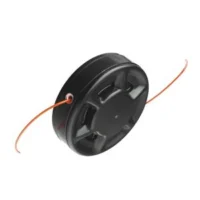 Auto feed systems take a different approach altogether. Instead of requiring user input, these self feed strimmer heads automatically release more line as it wears down. This usually happens when the machine is started or when the line becomes too short to maintain effective cutting.
For many operators, this convenience is a major advantage. There’s no need to think about line adjustment while working, which makes the strimmer feel straightforward and easy to operate. When people talk about ‘easy feed strimmer heads’, they’re normally referring to auto feed systems.
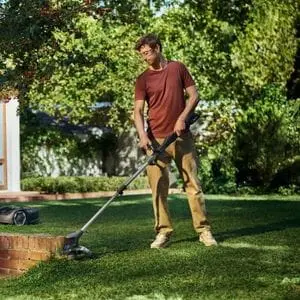 The Husqvarna Aspire T28-P4A Battery Grass Trimmer is supplied with an excellent auto feed mowing head—a system favoured on many lightweight and domestic-focused models.
However, convenience does come with trade-offs. Because the line feeds automatically, there’s less control over how much is used. This can lead to higher line consumption, particularly if the head feeds more line than necessary for the task at hand.
Auto feed heads are therefore best suited to lighter trimming work, where ease of use takes priority over precision. For quick tidy-ups, smaller gardens, or occasional use, they provide a hassle-free experience that appeals to a wide range of users.
Fixed Line Strimmer Heads: Strength and Simplicity
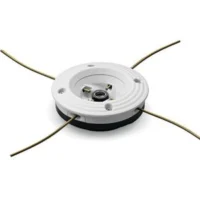 At the other end of the spectrum, fixed line systems offer a completely different approach. Instead of feeding nylon line from a spool, a fixed line strimmer head uses pre-cut lengths of line that are inserted directly into the head.
This design eliminates the need for any feeding mechanism, making it one of the simplest and most robust options available. With fewer moving parts, there’s less to go wrong.
The STIHL DuroCut 40-4 Mowing Head is an example of a fixed line mowing head, being compatible with many of the company’s clearing saws. If you’re looking for the best fixed line trimmer head for heavy-duty work, this model consistently delivers reliable results.
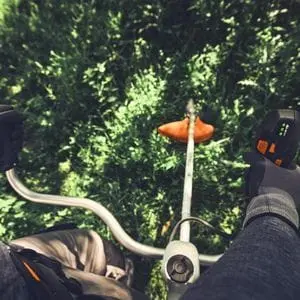 A fixed line trimmer head is particularly effective when dealing with thicker grass, dense weeds, and rough terrain, which is the reason why many professionals turn to it for demanding work. The ability to use heavier gauge line gives fixed line systems a clear advantage in tougher conditions, where standard spool-fed systems might struggle.
While it does require stopping to replace the line, this is often seen as a worthwhile trade-off for increased durability and cutting performance.
Fixed line is also a good option for users who prefer a no-nonsense setup. Without the need to worry about feeding mechanisms or spools, maintenance is arguably more straightforward. Instead of learning how to change strimmer heads, you focus purely on adding new line.
Choosing the Right Strimmer Head for Your Needs
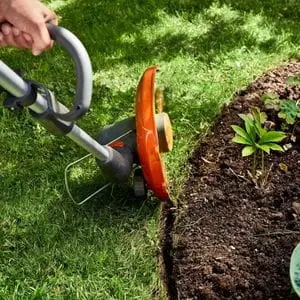 Understanding the differences between these strimmer head types is key to selecting the right tool for the job. Each system has been designed with a specific type of user and workload in mind.
A bump feed line trimmer offers versatility and control, making it a great all-rounder for most garden tasks. Auto feed systems prioritise ease of use, making them ideal for lighter, less frequent work. Fixed line heads, on the other hand, are built for durability and excel in more demanding environments.
Your choice will ultimately depend on how and where you plan to use your strimmer or brushcutter. Factors such as garden size, vegetation type, and personal preference all play a role in determining the most suitable option.
Appreciating the different types of strimmer head is also important when it comes to maintenance. If you’ve been searching online for ‘STIHL strimmer head how to change wire’, you’ll find learning the process a whole lot simpler once you know the type of head fitted to your tool.
Find the Right Strimming Setup Here
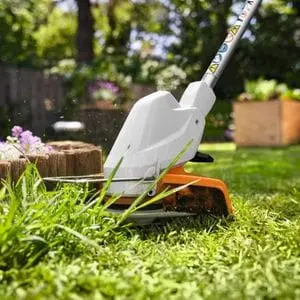 Choosing between a bump feed strimmer head, an auto-feed strimmer head, and a fixed line trimmer head doesn’t have to be complicated. Once you understand how each system works, it becomes much easier to match the right mowing head to your needs.
If you’re looking to buy a new grass trimmer or upgrade existing equipment, Ron Smith & Co is the ideal place to start. We have an exceptional range of brushcutters and strimmers for sale, alongside a comprehensive selection of spare strimmer heads and mowing line, so you can find everything you need under just one roof.
What’s more, our friendly team are always on hand to help you choose the best setup for your needs. With the right tool, mowing head and strimmer line by your side, you’ll be surprised at how easy garden maintenance can be.