TLDR: Waterlogged lawns—caused by clay soil, compaction, poor prep—suffocate roots and invite moss/algae. Fix by avoiding traffic, raking, feeding, then core aerating when soil is moist (best autumn/spring), top-dressing, overseeding and regular care. Manual or petrol aerators suit different garden sizes.
How Do You Aerate a Lawn and Prevent Waterlogging?
Heavy rain should nourish your lawn, not leave it squelchy underfoot. If your grass sits in water after every downpour, you’re dealing with a waterlogged lawn that needs careful, timely help. The good news is that you can restore healthy growth with a few smart steps and the right tools.
Here, we explain what causes waterlogging, why it harms turf, and how to fix a waterlogged lawn for good. Our main focus will be on aeration—how and when to do it, plus the best machines for the job.
Why Lawns Become Waterlogged
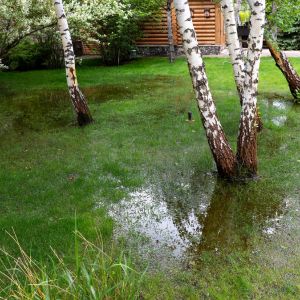 Waterlogging is a drainage issue, not just a weather problem. Some soils shed water quickly, while others hold it near the surface. Heavy clay soil retains moisture and compacts more easily, reducing the gaps that normally let air and water move.
High foot traffic and heavy garden machinery can also cause compaction by pressing soil particles closer together. That pressure squeezes pore spaces, so rainfall lingers on top rather than moving down to the root zone.
Poor soil preparation at the time of laying turf can play a part too. If the original base was never opened up, or if a smeared, sticky layer formed near the surface, water will pond after showers. A shallow root system compounds the issue. Weak roots cannot draw moisture effectively, so the lawn stays wet for longer and struggles to recover.
How Waterlogging Affects Grass Health
Constantly saturated soil starves grass roots of oxygen. Without enough air, the roots weaken, and the grass loses vigour. You may see pale patches, slow recovery after mowing, and areas that thin out over time. Bare spots can form, which are quickly colonised by coarser grasses and weeds.
Surface growths often appear when turf stays wet. Algae, lichens, and liverworts flourish on damp, still surfaces, and they can make the lawn slippery. Moss also spreads where shade, low pH, and moisture combine. None of these invaders solve the underlying compaction, so the lawn remains vulnerable after the next rainfall. Left unchecked, the cycle repeats and the sward quality declines.
How to Fix a Waterlogged Lawn
 You should focus on actions that restore structure, move water away from the surface, and protect the soil from further damage. There is no single silver bullet, but a sequence of small improvements works. Start by staying off saturated areas until standing water recedes. Walking on soft ground forces particles tighter, which makes things worse.
Tackle surface growths once conditions allow. Light raking removes moss and mat that trap moisture at the top. Feed the lawn in spring to encourage stronger rooting, with an autumn feed rich in phosphorus to support root development ahead of winter. Healthier roots anchor the plant and help draw water down the profile.
 Consider how water travels across your plot. If pathways shed water onto low spots, change to more permeable surfaces so runoff slows and soaks evenly. For sites where clay lies near the surface, top-dressing with sharp sand and free-draining material can open up pathways over time. In severe cases, land drains may be the long-term fix, provided you have a soakaway or drainage outlet to accept the flow.
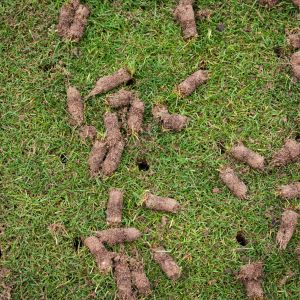
The final and most effective step is to relieve compaction directly. That is where lawn aeration comes in. By opening the soil with spikes or by removing small plugs of turf, you give air, water, and nutrients a clear route to the roots. Drainage improves, roots dive deeper, and the grass thickens from the base up. As you learn how to aerate grass correctly, you unlock the most reliable waterlogged grass solution for domestic lawns.
Aeration: What It Does and When to Do It
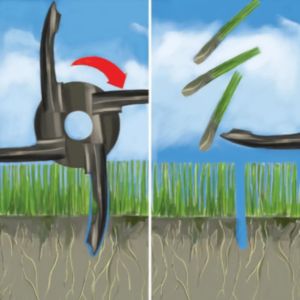 Aeration improves the soil structure beneath the turf. Spike aeration uses solid tines to create narrow channels. It suits lighter compaction and interim care. Core aeration, on the other hand, removes small plugs from the lawn. This reduces pressure, increases pore space, and creates room for top-dressing. Core aeration is usually the best choice for heavy clay or long-neglected lawns, because it physically changes the upper profile.
Choose your moment with care. Early autumn offers warmth and moisture for quick recovery. Spring works too, especially after a wet winter. Avoid very dry periods or times when the surface is sodden. In terms of whether you can you aerate a wet lawn; it works best when the soil is moist but not saturated. If the ground is waterlogged, wait for the surface to drain. You want clean holes and clean cores, not smeared sides that close up again.
After aeration, brush a suitable top-dressing into the holes. It keeps the channels open and improves structure over time. Overseed thin areas, then feed so young roots can establish in those improved pathways. Follow these steps and you will understand not only how to aerate your yard, but how to sustain the gains you’ve made over the long term.
How to Aerate Your Lawn in 3 Simple Steps
 1) Mark out any shallow cables or sprinkler heads before you start, then mow the lawn to a moderate height.
2) For first time aeration of most domestic gardens, begin with core aeration across the whole area—it’s the best method for long-lasting results. Make steady passes that overlap slightly. If the lawn is very compacted, cross the lawn at right angles on a second pass. Sweep up and remove the cores if your machine does not collect them.
3) Work top-dressing into the holes with a lute or stiff broom. Water lightly if conditions are a bit dry.
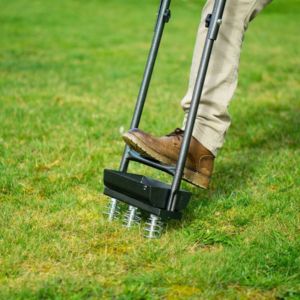
To aerate a lawn without powered tools, you can use a manual hollow-tine aerator on small patches. These tools are very well suited to problem spots such as gateways and play areas. For larger lawns, a petrol machine speeds up the job and delivers consistent, deep cores. If you manage estates or commercial sites, a professional aerator provides the best results with the least hassle.
Three High-Quality Aerators to Suit Different Gardens
Choosing an aerator is easier when you match the machine to the extent of the task in hand. So, here are three great options, arranged in price ascending order. They cater for different lawn sizes, levels of compaction, and budgets, making it simple to decide how to aerate lawn areas in your care, from a small back garden to a broad expanse of land.
Handy THHTA Hollow Tine Aerator
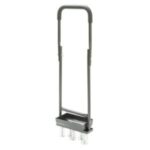 This machine is a great-value pick for smaller spaces. It’s a robust manual tool with an all-steel frame and five hollow tines that lift neat plugs up to 50mm deep. A built-in tray gathers the cores, so the lawn stays tidy as you go. At around three kilograms, it’s easy to carry and simple to use. Press the tread plate to drive the tines, then lift and move to the next step. If you want to aerate wet lawn areas once they have drained, this tool gives you precise control.
Find out more about the Handy THHTA Hollow Tine Aerator here.
Camon LA25 Lawn Aerator
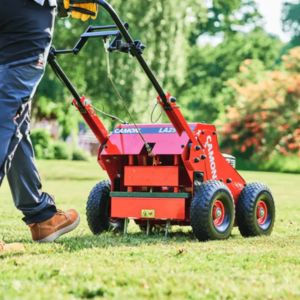
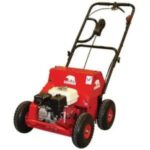 Stepping up to a petrol machine, this Camon aerator blends power and finesse to deliver excellent results for both domestic and professional users. It features a narrow 65cm chassis, which easily passes through standard gates, along with 10mm spikes and 19mm hollow corers as standard. A dependable Honda GX160 engine drives the tines with smooth, consistent output, while anti-vibration bars improve operator comfort. You can tune hole spacing and ground speed to match soil conditions, and folding bars help with transport and storage. If you’re wondering how to aerate your lawn to a high standard in a medium to large garden, this petrol aerator is the answer.
Discover more about the Camon LA25 Petrol Lawn Aerator now.
Toro 24-Inch Petrol Stand-On Aerator
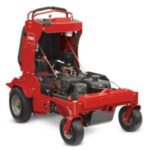 For the highest output and deep, even coring across big sites, this professional aerator takes some beating. A Kohler CH440 engine powers 36 hardened tines over a 24-inch working width. Intuitive controls set depth and keep results consistent, while the ride-on platform reduces operator fatigue over longer aerating sessions. Zero-turn agility allows for neat work around beds and trees, and a slim overall profile allows you to move through gates with ease. An optional spreader attachment lets you aerate and overseed in one visit—ideal for busy commercial schedules. If you’re searching for the best lawn aerator for hardcore professional work, this machine delivers the speed and precision you need in one premium package.
Learn more about the Toro Petrol Stand-On Aerator here.
Linking Aeration with Mowing and Seasonal Grass Care
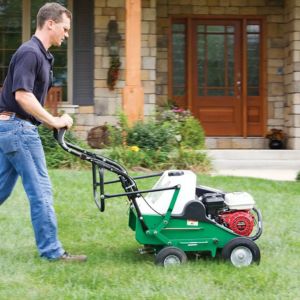 Once you’ve relieved compaction, good mowing helps the lawn thicken. Some people search our website for ‘the best lawn mower for wet grass UK’ or ‘best ride on mower for wet grass UK’, but we strongly advise against mowing when the lawn is saturated. Wet cutting risks smearing the surface and tearing the grass blades. If you must cut during a damp spell, ensure the blades are sharp and choose a mower with a good collection box. In terms of riding mowers, look for strong traction and careful weight distribution, which will help protect the soil and reduce surface damage.
With structure restored, your lawn will cope better with both wet and dry weather. Roots follow the aeration channels and become more drought-resilient, so performance improves throughout the year. Keep an eye on high-traffic routes and spot-aerate these zones in spring or autumn. If you have heavy clay soil that’s a constant challenge, repeat core aeration each year and continue to brush in free-draining top-dressing. Over time, you will build a healthier upper profile that sheds water as it should.
Summary: How to Rescue a Waterlogged Lawn
Think of rescuing a waterlogged lawn as a sequence of tasks:
- Drain standing water, avoid foot traffic, and clear surface growths.
- Feed for recovery, then correct the structure with aeration.
- Top-dress, overseed, and mow with care once growth resumes.
If you follow this plan, you will fix waterlogged lawn problems in a sustainable way. The turf will look better, feel firmer underfoot, and bounce back faster after rain. In short, you will have a practical, long-term waterlogged lawn solution that suits UK conditions.
 Let Us Help You Restore Your Lawn
Here, at Ron Smith & Co, we sell an excellent range of aerators. From the budget-friendly Handy THHTA to the versatile Camon LA25 and the pro-grade Toro Stand-On, we’ve got a machine to suit every garden and every aerating goal. And if you’d like advice on choosing the right model or need additional help in finding long-term waterlogged lawn solutions, please don’t hesitate to contact our friendly team, who will be delighted to offer you their expert advice.