The right chainsaw bar length depends on your cutting needs. Bars of 10–14 inches (25–35 cm) suit lighter work, while 16–18 inches (40–45 cm) is the best all-round choice for most people. Larger jobs may require 20 inches (50 cm) or more. Ron Smith & Co has a Chainsaw Bar Length Guide, and sells chainsaws with guide bars to suit every type of user.
What Chainsaw Bar Length Do I Need?
Choosing the right chainsaw isn’t just about the engine or battery system. The guide bar – the long metal bar that supports the chain – plays a crucial role in determining what your chainsaw can cut and how comfortable it is to use. So, understandably, one of the most common questions people ask us when buying or maintaining a chainsaw is ‘What size chainsaw bar do I need?’
The answer depends on the work you plan to do. A bar that’s too short may limit your cutting capacity, while an overly long bar can make the saw heavier and harder to control. Understanding chainsaw guide bar sizes, how they are measured, and how they relate to different cutting tasks will help you make the right choice.
In this guide, we’ll begin by explaining the function of a guide bar. We’ll then take a look at the components it’s made from, explore common chainsaw bar length options, and show how to measure chainsaw bar length accurately. To round things off, our Chainsaw Bar Length Guide addresses the fundamental question of how to choose the right chainsaw bar length for different types of work.
The Function of a Chainsaw Guide Bar
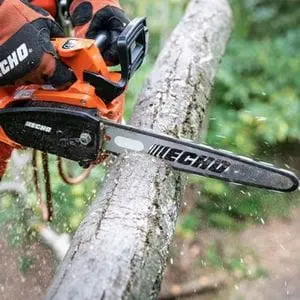 The guide bar is the structural backbone of a chainsaw’s cutting system. It provides the track that guides the chain as it spins around the saw at high speed. Without the bar, the chain would have no stable path to follow and cutting would be impossible.
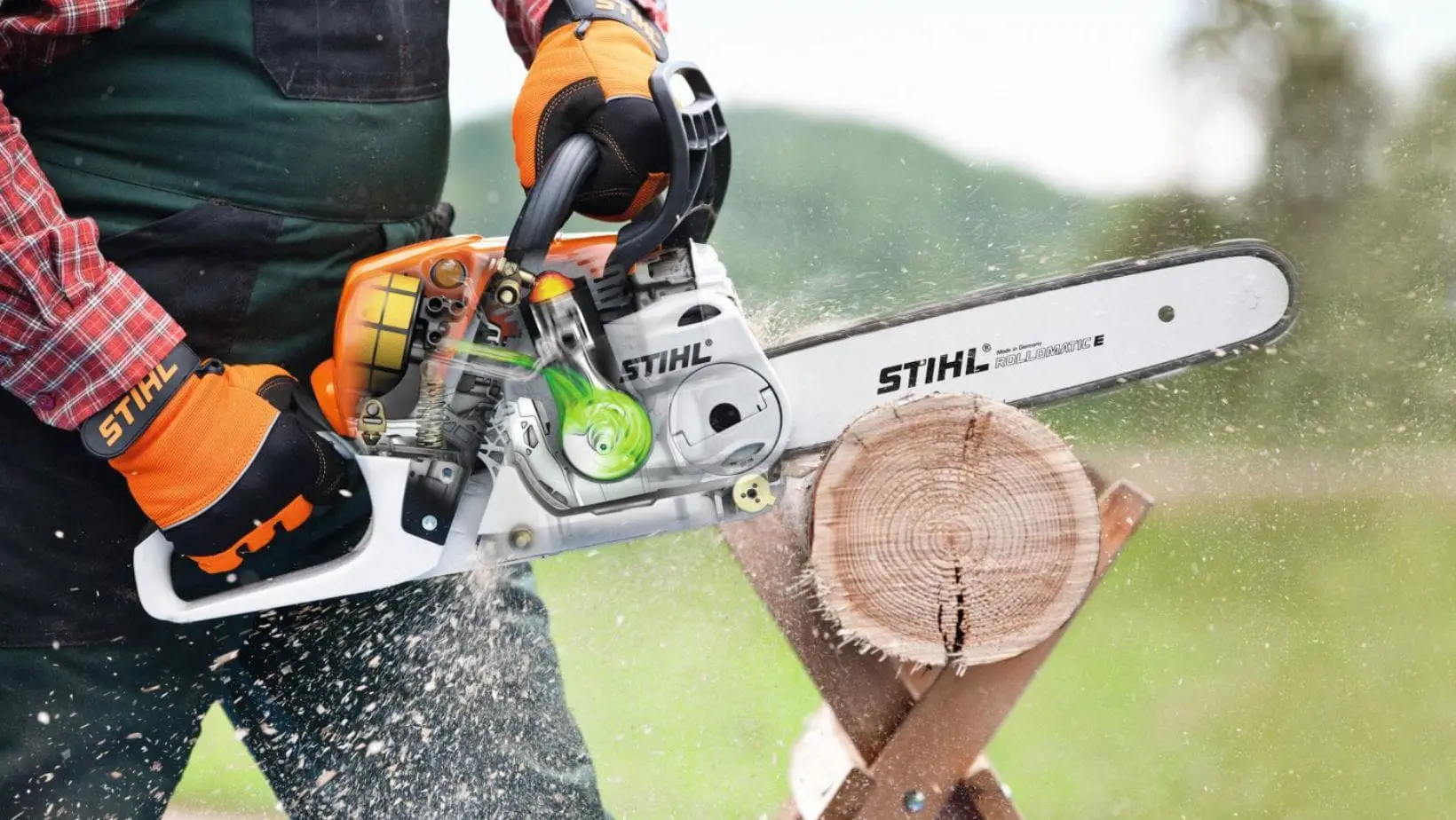
The chain runs around the edge of the bar in a narrow groove, powered by the chainsaw’s drive sprocket. As the chain rotates, the cutting teeth bite into the wood, while the guide bar keeps the chain aligned and stable throughout the cut.
Because of this role, chainsaw bar length directly influences the saw’s cutting capacity. A longer bar allows you to tackle thicker logs and larger trees, while a shorter bar offers greater control and manoeuvrability for lighter tasks.
Guide bars also help maintain cutting accuracy. A well-designed bar reduces vibration and ensures the chain runs smoothly, which improves both safety and cutting performance.
What Parts Make Up a Chainsaw Guide Bar?
Although a guide bar may appear to be a simple piece of metal, it is carefully engineered with several key components that work together to support the chain.
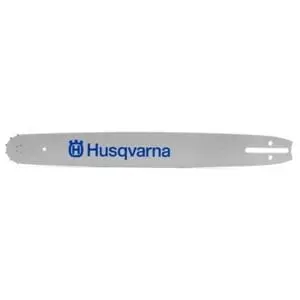 The main body of the bar is usually made from hardened steel or laminated steel plates. This construction gives the bar the strength needed to withstand heavy cutting loads while keeping the weight manageable.
Running around the perimeter of the bar is a narrow channel known as the guide bar groove. This rail holds the chain’s drive links in place and directs the chain along its cutting path.
At the tip of most modern guide bars, you’ll find a sprocket nose. This small sprocket allows the chain to turn smoothly around the end of the bar, reducing friction and improving efficiency. Bars without this feature are known as solid nose bars and are generally used for specialised heavy-duty applications.
The mounting slot is the opening at the base of the bar that allows it to attach securely to the chainsaw body. Nearby you’ll usually see oil holes, which allow bar oil to reach the chain and reduce wear.
Together, these elements ensure the guide bar performs its job reliably while supporting the chain during demanding cutting work.
The Most Common Chainsaw Bar Lengths
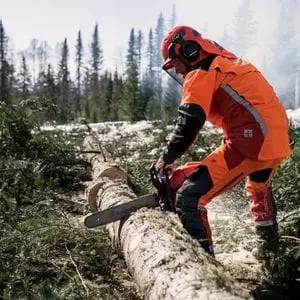 Chainsaw bars are available in a wide range of sizes, but some lengths appear far more often than others because they suit the majority of cutting tasks.
- Small domestic chainsaws often come with bars between 10 inches (25 cm) and 14 inches (35 cm).
- A 16-inch (40 cm) bar is widely considered the average chainsaw bar length for general household use.
- Many experienced users favour bars between 16 inches and 18 inches (45 cm) as the best all-around chainsaw bar length.
- Professional saws often run 20-inch (50 cm) bars or longer, giving them the reach required for larger trees and forestry work.
General chainsaw bar length charts tend to show working ranges spanning between 10 inches (25 cm) and 40 inches (102 cm), with each size suited to different tasks and engine power levels. Manufacturer-specific guides, like the Husqvarna or STIHL chainsaw bar size charts, may display slightly different ranges as they purely focus on their own company’s products.
How Do I Measure a Chainsaw Bar?
Knowing how to measure chainsaw bar length is important when replacing a bar or ordering a new chain. Fortunately, the process is simple once you know what to look for.
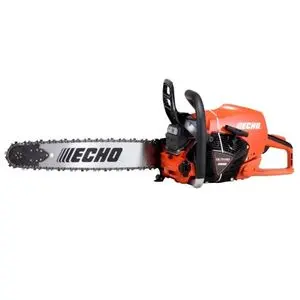 A chainsaw’s bar length relates to the actual cutting length, not the length of the entire bar. Therefore, it is the portion of the bar that extends from the chainsaw body and is actually used for cutting.
So, if you’re wondering how do you measure a chainsaw bar accurately, fit the bar to the chainsaw and extend your tape measure from the front of the chainsaw housing to the tip of the bar. This distance represents the usable cutting length.
For example, if the visible section measures around 16 inches, your chainsaw is fitted with a 16-inch bar.
This simple chainsaw bar length measurement method will ensure you order the correct replacement parts.
Because the bar length determines the chain size, accurate measurement is essential for compatibility.
Our Chainsaw Bar Length Guide
Choosing the right chainsaw bar length for your work largely depends on what you plan to do. By referring to this chainsaw bar size guide, you can find exactly the right balance between cutting capacity, safety, and ease of handling.
 10- to 14-Inch Bars
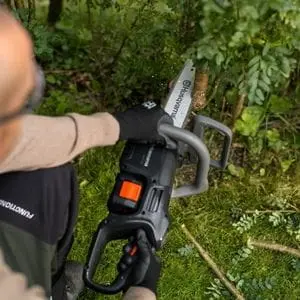
For light garden maintenance, such as trimming branches or cutting small logs, between 10 and 14 inches is the best all round chainsaw bar length. These compact saws are easy to manoeuvre and well suited to occasional use.
16- to 18-Inch Bars
For general firewood cutting and property maintenance, many users find that 16 to 18 inches represents the ideal bar length. It is usually the best bar length chainsaw setup for homeowners because it handles a wide variety of tasks without becoming unwieldy.
20 Inches +
If your work involves felling medium-sized trees or cutting larger timber, a 20-inch bar or longer is the best bar length for chainsaws. However, longer bars require more powerful engines, so they are typically used on professional-grade saws.
Things to Consider When Choosing Your Bar
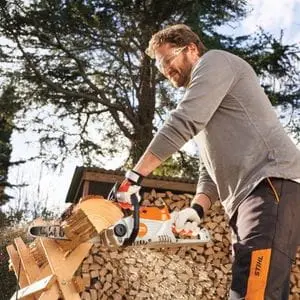 The diameter of the wood you expect to cut is clearly an important factor when choosing the right guide bar. A useful rule of thumb is to choose a bar that is at least two inches longer than the diameter of the timber you’ll be cutting most often.
Weight and control also matter. While a longer bar increases reach, it can make the saw harder to handle, particularly for inexperienced users. That’s why many people prefer a moderate size rather than the longest option available.
In short, smaller bars offer excellent control for light tasks, while longer bars provide the reach needed for larger trees and heavy timber. Being able to recognise average chainsaw bar length, knowing how do you measure chainsaw bars accurately, and having access to a reliable chainsaw bar length chart can all help you make an informed decision.
Find the Right Chainsaw and Guide Bar Here
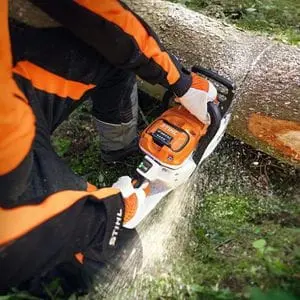 At Ron Smith & Co, we offer an unbeatable range of chainsaws for sale, including models fitted with bars ranging from 10 inches (25 cm) all the way up to 41 inches (105 cm). You can display saws with different bar lengths by using the filtering system on our Chainsaws category homepage. We also stock a comprehensive selection of replacement guide bars and chains, ensuring you can keep your equipment performing at its best.
What’s more, our friendly team is always on hand to help you choose the ideal chainsaw and guide bar for your needs. Whether you’re preparing firewood at home or managing large trees professionally, we’ll make sure you leave with the right equipment for the job.