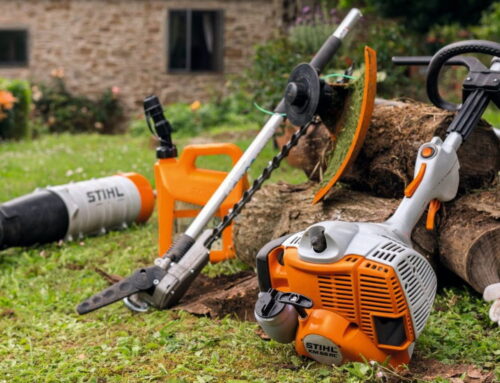
TLDR: Prepare petrol garden machinery for winter: drain or stabilise fuel (or use Aspen), change oil, check/replace filters and spark plug, clean and sharpen cutting parts, store in a dry, sheltered spot with covers, inspect belts/cables, and book a professional service.
Our Guide to Preparing Petrol Garden Machinery for Winter
With our gardens soon to slip into their winter slumber, now is the perfect time to think about how your petrol garden machinery will cope during the colder months. Everything, from lawnmowers and hedge trimmers to cultivators and garden tractors, benefits from a bit of care before being tucked away. Sound winter preparation not only prevents avoidable damage, but also ensures your machines burst back into life as soon as spring is here.
In this guide, we explain why and how you should prepare your petrol garden machinery for winter storage. We’ll offer you real-world advice from our own technicians and tried-and-tested tips from manufacturers to address key topics like how to drain petrol from a lawnmower and where to find the best riding lawn mower winter storage cover. We’ll then reveal why winter is the smartest time to get your petrol garden machinery professionally serviced through us.
Why Winter Preparation Matters
Petrol engines aren’t fond of long periods of inactivity. While your mower or strimmer might seem perfectly happy sitting in the shed until March, unseen problems can begin the moment it’s left idle. Modern fuels degrade surprisingly quickly, moisture can accumulate inside components, metal parts may begin to corrode, and dirt that’s been left to sit can harden into stubborn deposits.
Preparing properly now means you avoid headaches later: difficult spring start-ups, poor engine performance, carburettor blockages, or corrosion-related wear. Trust us—taking a bit of time to prepare petrol machinery for winter is always worth it.
Managing Fuel Before Winter Storage
Fuel management is one of the most important aspects of winter garden machinery prep, especially since modern unleaded petrol has a short shelf life. Petrol can begin to degrade within a couple of months of purchase and, once this happens, can clog up carburettors, harden into varnish-like residues and make an engine reluctant to start — or refuse to start altogether. This is why good fuel management is critical before winter storage for lawn mowers and other petrol tools.
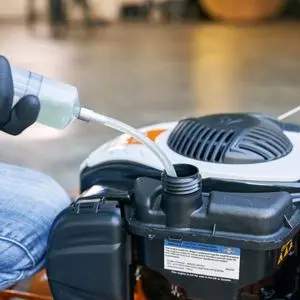 How Do You Drain Gas from a Lawn Mower?
If you’re wondering how to drain petrol from lawnmower tanks efficiently, the most reliable approach is to:
- Empty the tank – siphon or pour remaining fuel into an appropriate container.
- Run the engine until it stops – this clears the carburettor, preventing dried deposits from forming inside.
Some carburettors have a drain bolt, though not all do. If your machine doesn’t have one, running the engine dry is how to drain fuel from lawn mower tanks in the simplest and safest way possible. Whatever you do, always dispose of leftover fuel responsibly.
 Using Fuel Stabilisers
If you prefer not to drain the tank entirely, a fuel stabiliser is an excellent alternative. Products like Honda Fuel Stabiliser preserve petrol for far longer than normal, slowing oxidation and preventing the gum and varnish build-up that leads to difficult spring starts. Please note that stabiliser must be added when the fuel is fresh — it cannot rescue petrol that has already deteriorated.
 Switching to Aspen Fuel
The most dependable long-term option is to use Aspen alkylate fuel. Aspen 4 and Aspen 2 are ethanol-free, dramatically cleaner-burning, and have a shelf life of up to five years. Using it means you’ll never need to worry about stale fuel again. Machines wintered with Aspen typically start first pull in spring, and the cleaner burn helps keep engines in excellent condition. This makes it an ideal solution for storing lawn mowers and other petrol tools over winter.
Oil, Filters, and Spark Plugs
Refreshing the Engine Oil
If your petrol machine has an oil reservoir, now is the ideal time to change it. Old oil thickens and collects contaminants. Fresh oil protects your engine during storage and ensures the moving parts are lubricated when you wake it up in spring.
 Checking the Air Filter
Air filters gather dust and particles when the engine is operating. A clogged filter reduces performance and forces the engine to work harder. Taking out, cleaning, or replacing the filter before storage means one less job to worry about early next year.
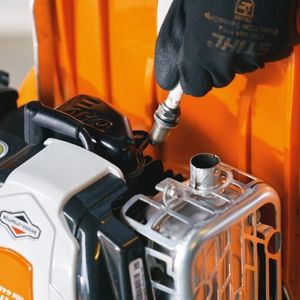
Removing the Spark Plug
Not only does removing the spark plug before winter storage prevent accidental starts, but it also allows you to inspect and replace it if needed.
Cleaning Your Machinery Thoroughly
Properly cleaning your garden machinery before winter makes a world of difference.
Removing Grass, Sap, and Debris
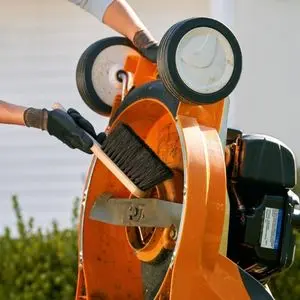 Built-up grass clippings attract moisture and encourage rust, while sap and soil deposits can harden over time. Cleaning prevents corrosion and stops winter grime turning into spring problems.
Pay particular attention to:
- Under the deck of your mower
- Cooling fins on engines
- Grass collectors
- Blades and cutting attachments
- Air vents around recoil starters
A stiff brush and damp cloth are often all you need.
Cleaning Riding Mowers
If you own a tractor or ride-on, cleaning it should be an integral part of your riding lawn mower winter storage routine. Leaving grass under the deck all winter can result in mould, rot, and ultimately corrosion. A good clean now makes servicing before spring far easier.
Sharpening and Protecting Cutting Parts
 Preparing your machinery for winter isn’t just about the engine — your cutting equipment needs attention too.
Sharpening Blades and Tools
Winter is the ideal season to sharpen mower blades, strimmer blades, hedge trimmers, and lawn edging tools. Sharper blades reduce strain on the engine and give a cleaner cut, ensuring your machine is ready when it returns to action.
Preventing Rust
Once cleaned and sharpened, lightly oil metal surfaces, especially cutting blades, bolts, and exposed components. This protects them from corrosion during long-term storage.
Choosing the Right Storage Location
Where and how you store your machinery over winter makes a major difference.
Dry, Sheltered Storage
A shed, garage, or dedicated garden store is ideal. Moisture is the biggest enemy of both metal and fuel systems, so choosing a dry environment significantly improves your machine’s longevity.
For specialist lawn mower storage for winter, dedicated mower stores or protective covers offer excellent weatherproof  protection.
Using Protective Covers for Ride-On Mowers
Quality protective covers safeguard ride-on and tractor mowers from frost, damp, and dust. Many of these covers are tailored by manufacturers to fit specific models of machine. This makes buying one a smart investment for riding mower winter storage.
Inspecting and Testing Before Storage
Before shutting everything away:
- Look for loose screws or worn parts.
- Check cables and hoses.
- Assess belts on garden tractors.
- Perform a brief test run (before draining fuel).
Identifying issues now means you’ll avoid surprises next year.
Why Winter Is the Best Time for Professional Servicing
 Even with thorough home preparation, nothing replaces a professional service. Winter is the best season to arrange this for two reasons:
1. Your Machinery Isn’t Being Used
During winter months, your mower and other petrol tools sit idle, so there’s no inconvenience in dropping them off for maintenance — or arranging a collection and redelivery service through us.
2. Workshops Are Quieter
Winter is our least busy season. Booking a service now avoids the queues and guarantees your machinery is inspected, repaired, and returned long before you need it again.
Find out what’s included in a professional service at Ron Smith & Co here.
Give Your Machinery the Winter Care It Deserves
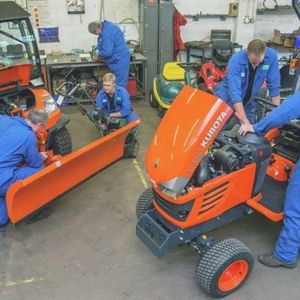 Preparing your petrol garden machinery for winter isn’t just a seasonal chore — it’s an investment in performance, reliability, and long-term value. By cleaning thoroughly, caring for fuel, protecting metal parts, sharpening cutting equipment, and ensuring proper storage conditions, your machines will reward you with easy spring starts and dependable operation.
But for the ultimate peace of mind, winter is also the best time to book a professional service at Ron Smith & Co. With our highly trained technicians, boasting decades of experience, we’ll give your petrol garden machinery the expert care it deserves, so it’s in tip-top condition, ready for next year.
If you’d like to arrange a service this winter, or if you have further questions about how to drain gas from a lawn mower, please don’t hesitate to get in touch with our expert team, who will be delighted to help.