The right chainsaw chain oil protects your bar and chain, reduces wear, and improves cutting performance. Mineral oils are stable and ideal for occasional use, while biodegradable options are environmentally friendly and offer excellent adhesion. For cold weather, a semi-synthetic oil can improve flow. Buy premium STIHL and Husqvarna chain oils from Ron Smith & Co, who are always on-hand to offer expert chainsaw advice.
Our Guide to Choosing the Right Chainsaw Chain Oil
A chainsaw might look like a straightforward tool, but in reality it’s a finely balanced cutting system. The engine supplies the power, the chain does the work, and the guide bar keeps everything running in line. Yet none of it lasts long without proper lubrication. That’s why choosing the right chainsaw chain oil is one of the smartest things you can do for performance, reliability, and long-term value.
Whether you’re a domestic user cutting logs for a wood burner or a professional tackling forestry and estate work, the correct chainsaw oil helps reduce friction, keep temperatures down, and prevent premature wear. It also reduces the chance of the chain stretching quickly or the bar rails wearing unevenly. And if you’ve ever dealt with chainsaw oil not flowing properly, you’ll know how quickly a good day’s work can turn into a frustrating one.
In this guide, we’ll explain the main types of bar and chain oil, compare bio and mineral options using popular STIHL and Husqvarna products, and share practical advice for chain lubrication and cold weather use.
Why Chainsaw Chain Oil Matters
 Chainsaws run at high speed and often under heavy load. The chain is constantly moving along the bar rails, while sawdust, sap, and grit try their best to get into every nook and cranny. Without a steady film of lubricant, friction builds up rapidly.
That friction causes heat. Heat causes wear. And wear leads to dull cutting, chain stretch, bar damage, and poor overall performance. The right bar and chain lube prevents this by creating a protective layer between the chain and bar, allowing the chain to glide rather than grind.
Put simply, if you want your saw to cut smoothly, last longer, and feel better to use, the right bar oil is not optional. It’s essential.
What Is Chainsaw Chain Oil
Proper bar and chain saw oil is made specifically for the job of lubricating a fast-moving chain. Unlike engine oil, it’s designed to be tacky, meaning it clings to the chain and bar instead of immediately spinning off at speed.
In short, bar and chainsaw oil must stay on the chain long enough to protect it.
Old engine oil is a false economy. It doesn’t cling well, it can contain contaminants, and it’s not formulated for the unique demands of chain and bar lubrication. If you want the best chainsaw oil performance, always choose a proper product from a trusted brand.
The Main Types of Chain Oil: Mineral, Bio, and Semi-Synthetic
 When people search online for ‘chainsaw oil near me’, they’re often surprised by how many options exist. However, in most cases, chain oils fall into just three practical categories.
Mineral oils are the traditional choice. They’re refined petroleum-based oils that offer dependable lubrication, good storage stability, and decent value for money.
Bio oils are biodegradable, often being made from plant-based or renewable materials. They’re designed to break down naturally, making them far kinder to the environment than mineral oils.
Semi-synthetic oils are engineered for performance and consistency. They tend to flow very well, especially in colder temperatures, and they’re typically designed for users who want premium lubrication without necessarily choosing a fully biodegradable product.
Bio vs Mineral Chainsaw Chain Oil: The Real-World Differences
 It’s easy to think the difference between bio and mineral chain oils is purely environmental, but in day-to-day use there are genuine differences in performance too.
Bio chain oils often have excellent natural lubricity and tackiness. In practice, this means they can cling very well to the chain and bar, reducing fling-off and helping maintain a steady film of lubricant during long cutting sessions. Many users feel a quality bio oil gives a smooth, consistent cut, particularly in hardwood.
Mineral oils tend to be more stable over time. If your chainsaw sits unused for months, mineral oil is less likely to oxidise or thicken in the tank. That makes it a convenient option for occasional users.
Cold weather is where the biggest practical difference appears. Bio oils can thicken more noticeably when temperatures drop, which reduces oil flow and increases the risk of chainsaw oil not flowing properly on a frosty start. Mineral and semi-synthetic oils often cope better in those conditions.
The best chainsaw chain oil is therefore the one that suits how often you use your saw, where you use it, and how you store it.
Comparing Popular STIHL and Husqvarna Chainsaw Chain Oils
Let’s make this more practical by looking at the oils you’re most likely to encounter when choosing between premium brands.
STIHL Chainsaw Chain Oils
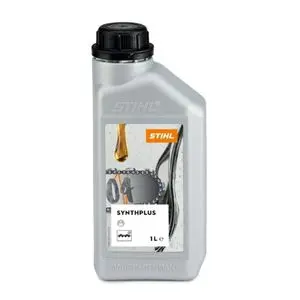 STIHL SynthPlus Chain Oil is a semi-synthetic option designed for excellent lubrication and reliable performance. It’s widely chosen by users who want a premium STIHL chainsaw oil that performs consistently, including in colder conditions where some oils can become sluggish.
While it’s not marketed as a biodegradable oil, it’s a strong option if you want STIHL chainsaw chain oil that focuses on smooth flow and dependable protection.
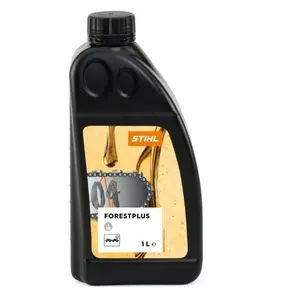
STIHL ForestPlus Chain Oil is a traditional mineral-based lubricant. It’s a popular all-rounder and is often favoured by users who want dependable performance and stability in storage.
For many people, ForestPlus is the classic STIHL chainsaw oil choice, especially for domestic cutting or professional use where a mineral oil is acceptable and convenient.
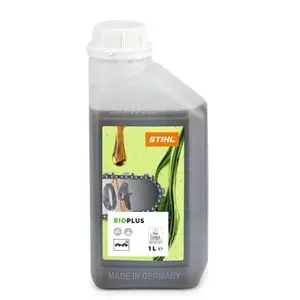
STIHL BioPlus Chain Oil is STIHL’s biodegradable option, designed for environmentally sensitive work. It’s plant-based and formulated to break down naturally, making it far kinder to soil and water than mineral oils.
In use, BioPlus is known for strong chain adhesion, which helps keep lubrication consistent. If you want STIHL chainsaw chain oil with an eco-friendly focus, this is the obvious choice.
Husqvarna Chain Oils
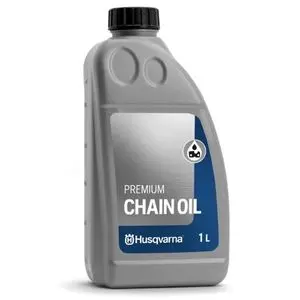
 Husqvarna Mineral Chain Oil is exactly what it sounds like: a mineral-based product designed for reliable everyday lubrication. It’s a good match for domestic users, occasional cutters, and anyone who wants a straightforward Husqvarna chainsaw chain oil that performs well and stores reliably.
If you’re shopping specifically for Husqvarna bar and chain oil, this is one of the most popular options.
Husqvarna X-Guard Bio Chain Oil is a premium biodegradable chain oil designed for strong performance and reduced environmental impact. Like many quality bio oils, it offers excellent tackiness and chain adhesion, helping it stay where it’s needed during use.
For customers looking for Husqvarna bar & chain oil that is biodegradable and premium in feel, X-Guard Bio is a super choice.
How to Choose the Right Chain Oil for Your Saw
 Selecting the right oil isn’t about buying the most expensive bottle. It’s about choosing the most suitable option for your work.
If you cut frequently, particularly for long sessions, you’ll benefit from a high-quality oil that clings well and reduces wear. Many users in this situation prefer premium bio oils because they offer excellent adhesion and are kinder to the environment.
If you use your chainsaw occasionally, mineral oil often makes more sense. It’s stable, dependable, and less likely to cause storage issues.
If you cut in winter, or store your saw in a cold shed, a semi-synthetic oil like STIHL SynthPlus can be a wise choice, as it’s designed to flow more consistently in lower temperatures.
Whichever you choose, remember that the goal is always the same: smooth lubrication, reliable flow, and protection against wear.
How to Lubricate a Chainsaw Chain Properly
 Most modern chainsaws have an automatic oiler that feeds oil from the tank to the bar. The chain then carries the oil around the full length of the guide bar. It’s a simple system, but it relies on cleanliness.
The bar groove can fill with fine debris, and the oil port can clog. When this happens, lubrication becomes uneven and the chain can run dry in places. This is often why users think the oil is at fault, when the real issue is a blocked bar.
A quick oiling check is always worthwhile. With the saw running, you should be able to see a light mist or line of oil when the bar is pointed towards a clean surface. If you see nothing, don’t ignore it. A dry chain will wear quickly, and damage can occur surprisingly fast.
It’s also important to keep chain tension correct. A chain that’s too tight increases friction and makes lubrication harder work. A chain that’s too loose can distribute oil poorly and cause rough running. Good lubrication relies on the chain moving smoothly and consistently.
If you’re trying to protect your saw properly, don’t treat lubrication as an afterthought. It’s one of the most important parts of chainsaw maintenance.
Using Chainsaw Chain Oil in Cold Weather
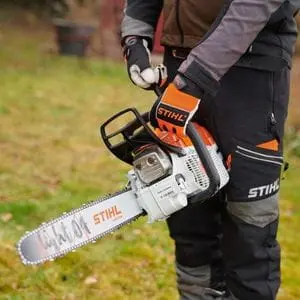 Cold weather changes how oil behaves. As temperatures drop, chain oil naturally thickens. This can reduce how quickly it feeds through the oiler and spreads along the bar, especially during the first few minutes of use.
One of the easiest solutions is to store the saw and oil somewhere above freezing. Even a garage or workshop can make a noticeable difference compared to leaving the saw outside. If you start with warmer oil, it flows better and the saw lubricates properly from the beginning.
It also helps to let the saw idle briefly before you begin cutting. This gives the system time to start feeding oil properly and reduces the chance of beginning a cut with insufficient lubrication.
Oil choice matters in winter. Mineral and semi-synthetic oils often flow better in the cold than some bio oils. That doesn’t mean bio oils can’t be used in winter, but it does mean you should choose a quality product and pay attention to oiling checks at the start of each session.
If you ever experience chainsaw oil not flowing on a cold day, it’s usually due to thick oil, a blocked oil port, or debris packed into the bar groove. A quick clean and a sensible oil choice normally resolves the problem.
The Best Chain Oil Is the One That Fits Your Work
 Buying the right bar and chain oil is a very small purchase compared to the cost of a new bar, chain, or saw. Yet it has a huge impact on performance and longevity.
Whether you choose a mineral product such as STIHL ForestPlus Chain Oil or Husqvarna Mineral Chain Oil, a biodegradable option like STIHL BioPlus Chain Oil or Husqvarna X-Guard Bio Chain Oil, or a semi-synthetic lubricant like STIHL SynthPlus Chain Oil, what matters most is that you’re selecting a quality oil and that you use it correctly.
When your lubrication is right, your saw runs cooler, cuts cleaner, and lasts longer. It really is as simple as that.
Find the Best Chainsaw Chain Oil Here
 If you’re ready to stock up on premium chainsaw chain oil, Ron Smith & Co is the place to find it. We only sell the finest STIHL and Husqvarna oils, so you can buy with confidence, knowing you’re getting high-quality bar chain oil chainsaw solutions from two of the most trusted names in our industry.
Whatever bar and chain saw oil you choose, all of our chain oils are available in a choice of container sizes, so you can get just the right amount to suit your needs. For chainsaw oil bar products that offer dependable protection, you’ll find the ideal solution here.
And if you’re still deciding which oil for chain saw work is right for you, our friendly staff are always on hand to provide further advice about chain oil, helping you get the best performance and protection from your equipment. Whether you need help selecting the right STIHL/ Husqvarna bar and chain oil, choosing a biodegradable alternative, or understanding why oil chainsaw bar lubrication might be inconsistent, please don’t hesitate to get in touch.