Small engines are sensitive to fuel quality. E10 petrol often causes starting and corrosion issues, while E5 is better but must be fresh, as it degrades within weeks. Long-life fuels like Aspen Pre-Mixed Fuel are ethanol-free, remain stable for years, and offer the most reliable performance for garden machinery.
Choosing the Right Fuel for Garden Machinery
When a piece of garden machinery refuses to start or runs poorly, the type of fuel is often the last thing people consider. Yet in small engines, petrol choice plays a major role in performance, reliability, and durability. Using the wrong fuel, or fuel that has been sitting around too long, can lead to frustrating problems that are easily avoided.
Understanding how E10, E5, and long-life fuels behave helps explain why some machines start first time while others struggle.
 Small Engines Are More Sensitive Than You Might Expect
Garden machinery engines are very different from car engines. They are smaller, simpler, and often used intermittently rather than daily. Many machines can sit unused for weeks, or even months, between jobs.
Because of this, fuel stability matters far more. Petrol that works acceptably in a car can cause issues in a lawnmower, strimmer, hedge trimmer, or chainsaw. Ethanol content and fuel age both have a direct impact on how well these engines perform.
Why E10 Fuel Often Causes Problems
E10 petrol contains up to 10% ethanol. While this fuel is now common at forecourts, it is rarely well suited to garden machinery.
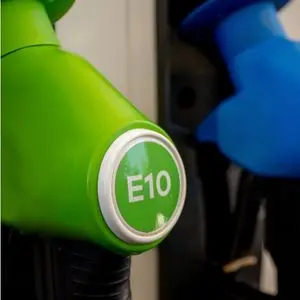 Ethanol absorbs moisture from the air. Over time, this moisture can collect inside fuel tanks and carburettors, encouraging corrosion and fuel separation. As E10 contains more ethanol than older fuel blends, it attracts water more quickly.
E10 is also less stable during storage. When garden machinery is left unused, E10 can degrade and form sticky residues that block carburettor jets and fuel passages. This is a frequent cause of hard starting, rough running, and complete non-start situations.
Material compatibility is another concern. Some seals, hoses, and plastic components used in small engines were not designed for higher ethanol levels. Prolonged exposure can cause swelling, cracking, or softening, leading to air leaks or fuel loss.
Why E5 Is the Better Fuel Option at the Pump
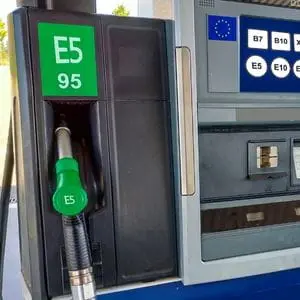 E5 petrol contains up to 5% ethanol, which immediately makes it more suitable for garden machinery. With less ethanol present, moisture absorption is reduced and fuel stability improves.
Engines running on E5 tend to start more easily and run more consistently, particularly in cooler conditions. This is why many garden machinery manufacturers continue to recommend E5 wherever it is available.
However, E5 is not immune to ageing. Pump fuel begins to deteriorate surprisingly quickly. Even after a few weeks, petrol can lose volatility and start forming deposits, especially if it has been stored in a vented container or left in a fuel tank.
This means that even E5 must be fresh. Using pump fuel that is only a few weeks old can still lead to starting difficulties and poor running in small engines.
Why Long-Life Fuel Offers a Clear Advantage
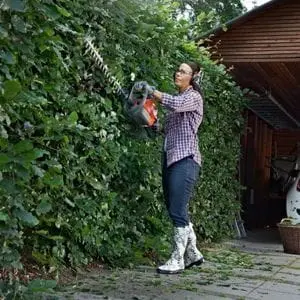 Long-life fuels are designed specifically to avoid the weaknesses of pump petrol. They are typically ethanol-free or contain negligible ethanol, which removes many of the moisture-related issues altogether.
These fuels are also chemically stabilised. While pump petrol can degrade in a matter of weeks, long-life fuel remains stable for years when stored correctly. This makes it ideal for seasonal garden machinery and equipment that is used occasionally.
Cleaner combustion is another benefit. Long-life fuel burns more consistently and produces fewer carbon deposits inside the engine. This helps protect internal components and reduces the likelihood of exhaust blockage or sticking valves.
For many users, the biggest advantage is reliability. Machines filled with long-life fuel are far more likely to start easily after storage, reducing downtime and the need for carburettor cleaning or repair.
Aspen Pre-Mixed Fuel – A Long-Life Solution
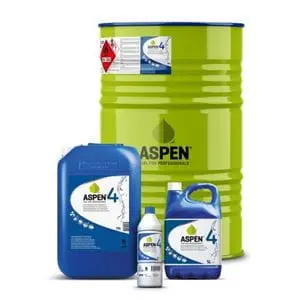 A well-known example of long-life fuel is Aspen Pre-Mixed Fuel, available in both 2-stroke and 4-stroke variants. Aspen fuel is alkylate-based, ethanol-free, and highly stable, making it particularly suitable for garden machinery and outdoor power equipment.
Because it stays fresh for years rather than weeks, Aspen helps eliminate many common fuel-related issues. It also burns cleaner than pump petrol, which supports smoother running and longer engine life.
For customers purchasing a ride-on mower from us, Aspen Pre-Mixed Fuel can be supplied to you when the machine is delivered.
However, as we are unable to ship fuel on its own through standard courier services, for all other uses you can buy it directly at our Hereford and Worcester showrooms. Here, our expert teams can advise you on choosing the best possible fuel for your machines.
So Which Fuel Should You Use?
If you’re relying on forecourt petrol, E5 is always the better option for garden machinery. It contains less ethanol and is more stable than E10. However, it must be fresh, as fuel that has already aged by a few weeks can still cause problems.
For the highest level of reliability and engine protection, long-life fuel is the best possible choice. Products such as Aspen 2-Stroke Pre-Mixed Fuel and Aspen 4-Stroke Pre-Mixed Fuel remove the risks associated with ethanol, offer long-term stability, and significantly improve starting consistency.
Choose the Right Fuel for Smooth-Running Garden Machinery
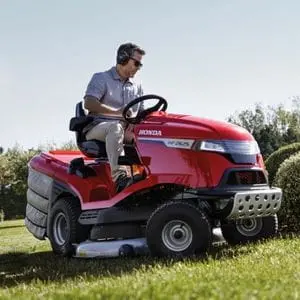 Fuel choice has a far greater impact on garden machinery than many people realise. While E10 can create long-term issues, even E5 petrol needs careful handling and regular replacement. Long-life fuel provides a dependable alternative, particularly for machines that are not used every week.
By selecting the correct fuel and understanding how it behaves over time, you can help prevent maintenance issues, enjoy more reliable starting, and increase the lifespan of your machines.